

Irena Zatloukalova: Keep It Simple (For The Media)
StartupYard Mentor Irena Zatloukalova
Wednesday, startup teams from StartupYard spent the morning and most of the afternoon in PR training. PR and internal communications manager Irena Zatloukova, of Seznam, grilled each of the teams for several hours, walking them through the experience of having to pitch their companies, answering uncomfortable or difficult media questions, and crafting and selling a narrative to the media. Here were some of the takeaways from the session:
Journalists are People Too
Irena Zatloukalova should know something about journalists. As head of PR for Seznam, she deals with all of kinds. The most important highlight of all of her experiences was this: journalists are people too. People know when they’re being treated fairly. They generally know when you’re lying, or when you’re not being completely honest. They know when they’re being used, and they resent it the same as anyone would. They also respond to positive inputs in all of the same ways that other people would: praise, trust, caring, and interest inspire journalists just as they inspire others.
Understanding Conflicting Motivations
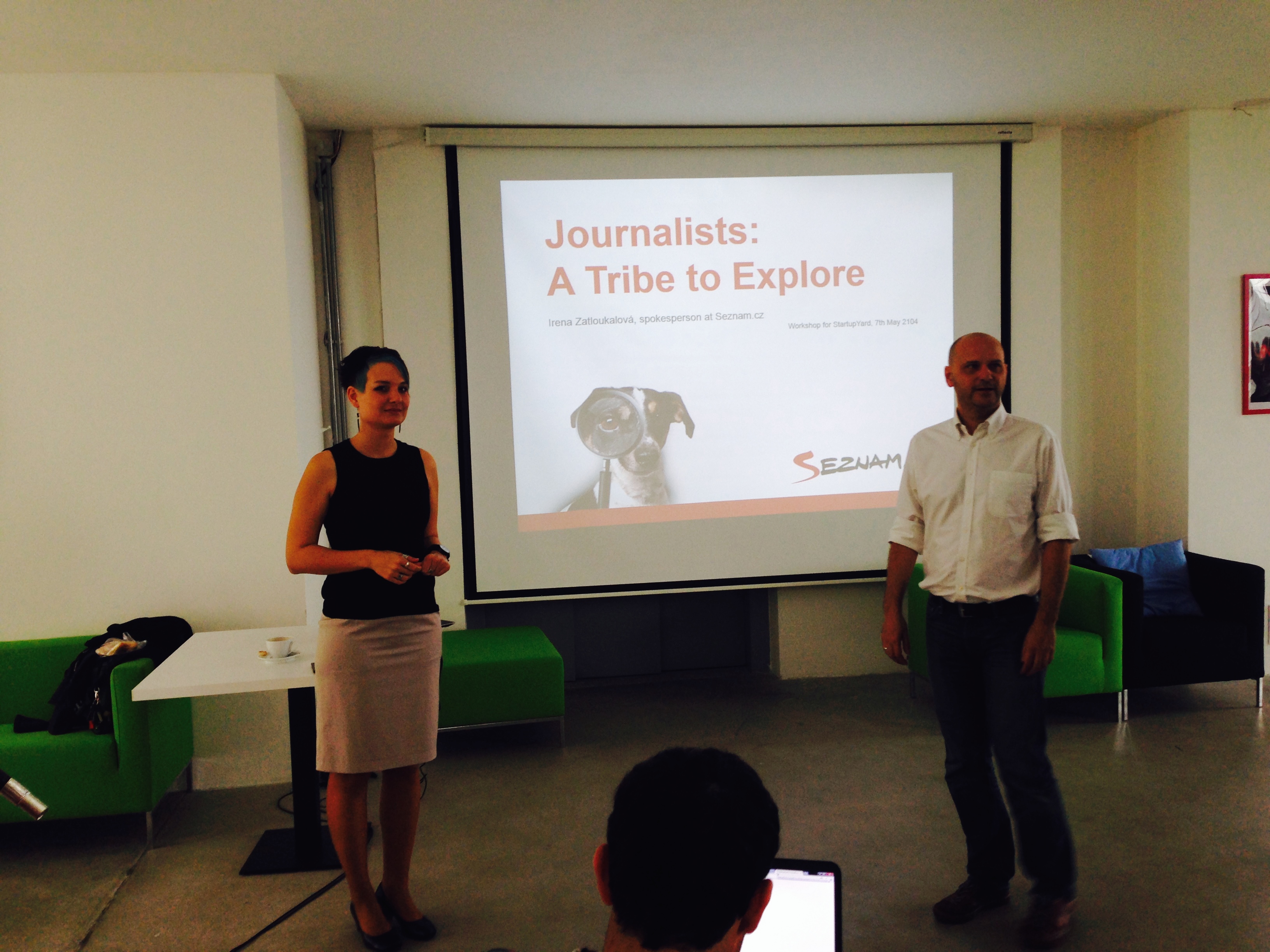
Irena and Cedric kicking off the workshop
Zatloukalova pegged the sometimes tense relations with journalists, especially among entrepreneurs, on the conflicting motivations that publications and their editors, and entrepreneurs have. As an entrepreneur or as a company, there’s a tendency to want to carefully craft a journalist’s take on your activities, and push a specific, self-serving narrative. At the same time, reporters have to justify, to their bosses and their readers, writing about a given company, or a given product. Often the interests of a journalist and a business are not perfectly aligned, and tension arises when a PR manager or a CEO is not able to accept those differences amicably- when the representatives of a company can’t respect the position a reporter is in. PR reps can form the destructive habit of “blacklisting” or cutting off disfavored reporters and publications for not toeing the company line, and they may also be tempted to distort the truth, or to lead journalists on with misleading intimations or false facts. This is a symptom of expectations that would be impossible to meet: that reporters be an apparatus of marketing, rather than a medium and means of communication.
Building a Story
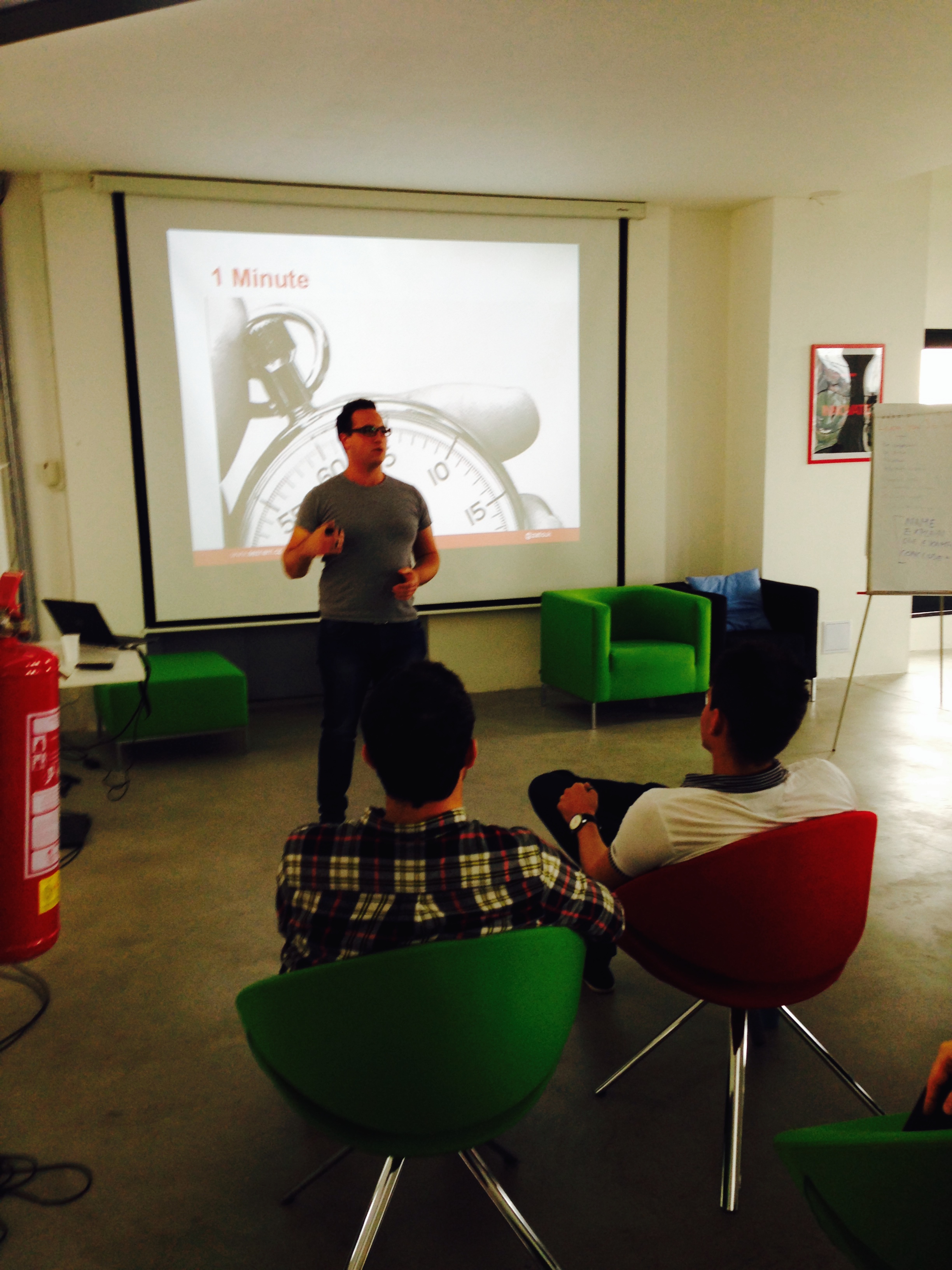
Team Evolso gives a mini press-conference
And to avoid these traps of poorly managed expectations and conflict, Zatloukalova talked about “building a story.” Story building is a way of approaching communication with media, that keeps in mind that media will always form its own conclusions based on the information provided, and the impressions of the journalists themselves. Thus, 3 elements are key to getting media to do what you need it to do, and Zatloukalova suggested that startupers ask themselves these three questions:
Team Girafa in particular wants some of Seznam’s secret sauce
Is it News?
Is the story actually of interest? Is it something unique? Does it have import for the readers? Just because you want the media to talk about you, doesn’t mean they will. Many young companies can be tempted to see any information they give to the media as an enticing gift, when in fact they offer little of real substance or interest. It has to be news.
What are the Details?
This part is about curiosity. Facts make the story real, and they are the juiciest part of the story. Providing the media with facts makes the story real for them, and gives them something to present to their readers. Without statistics, exact figures, dates or percentages, your story’s context can be unclear. How important is this news to you? To your market? To the reader? To competitors? What do the numbers actually mean? The details lend credibility, and offer the media something they can use to justify their story as important, and meaningful. Without facts, there is no story.
Is This a Trend?
Finally, what does this piece of news say about something bigger than your company? Reporters love to find and tell stories that demonstrate a pattern or an emerging condition in the market, or in society in general, that has not been fully described before. If your product is beating a competitor that was thought unbeatable, this could be part of a new trend. If your users are interested in your product for a novel reason, that too could form the basis of a new and noteworthy change in the way things work. Trends can be small, restricted just to your market, or even to your own company, or they can be big; saying things about society, about your country, about the future, and about technology, art, and the economy.
Not Making Journalists Think
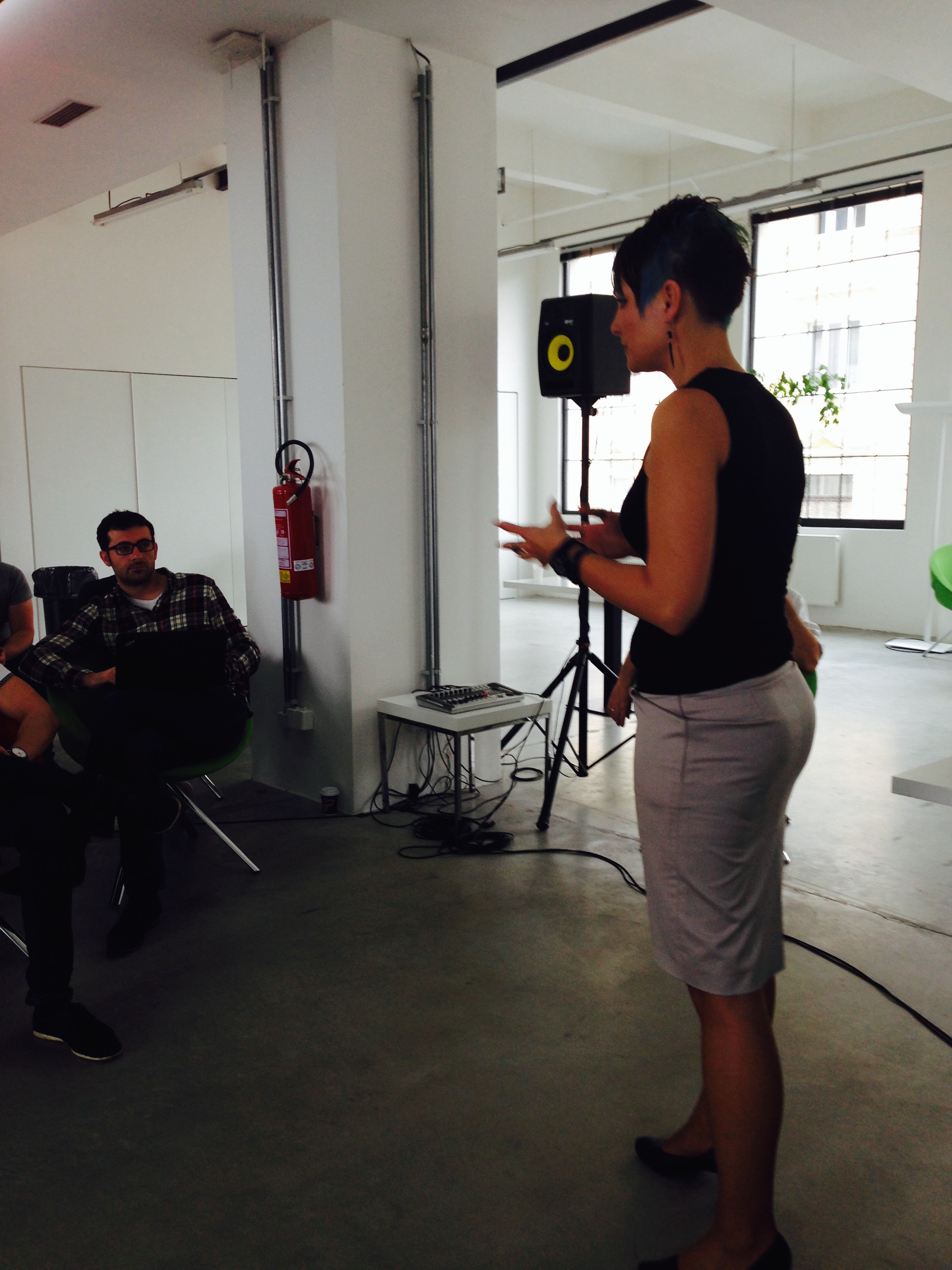
Zatloukalova also stressed the “Art of the Soundbite,” or the unique framing of a particular narrative your company is pushing, which expresses itself well in just a few words. The object when addressing the media is to speak in terms that are *evocative* without being too specific or conditional. The more a journalist evaluates what you say based on its internal logic, rather than on his or her own biases and experiences, the better of you are. So make these arguments and viewpoints interesting and memorable.
She gave examples like Apple’s “The World’s Thinnest Notebook,” soundbite for the introduction of the Macbook Air, and Cedric Maloux, our director at StartupYard, added his favorite, also from Apple: “1000 Songs in Your Pocket.”
Don’t Describe, Evoke
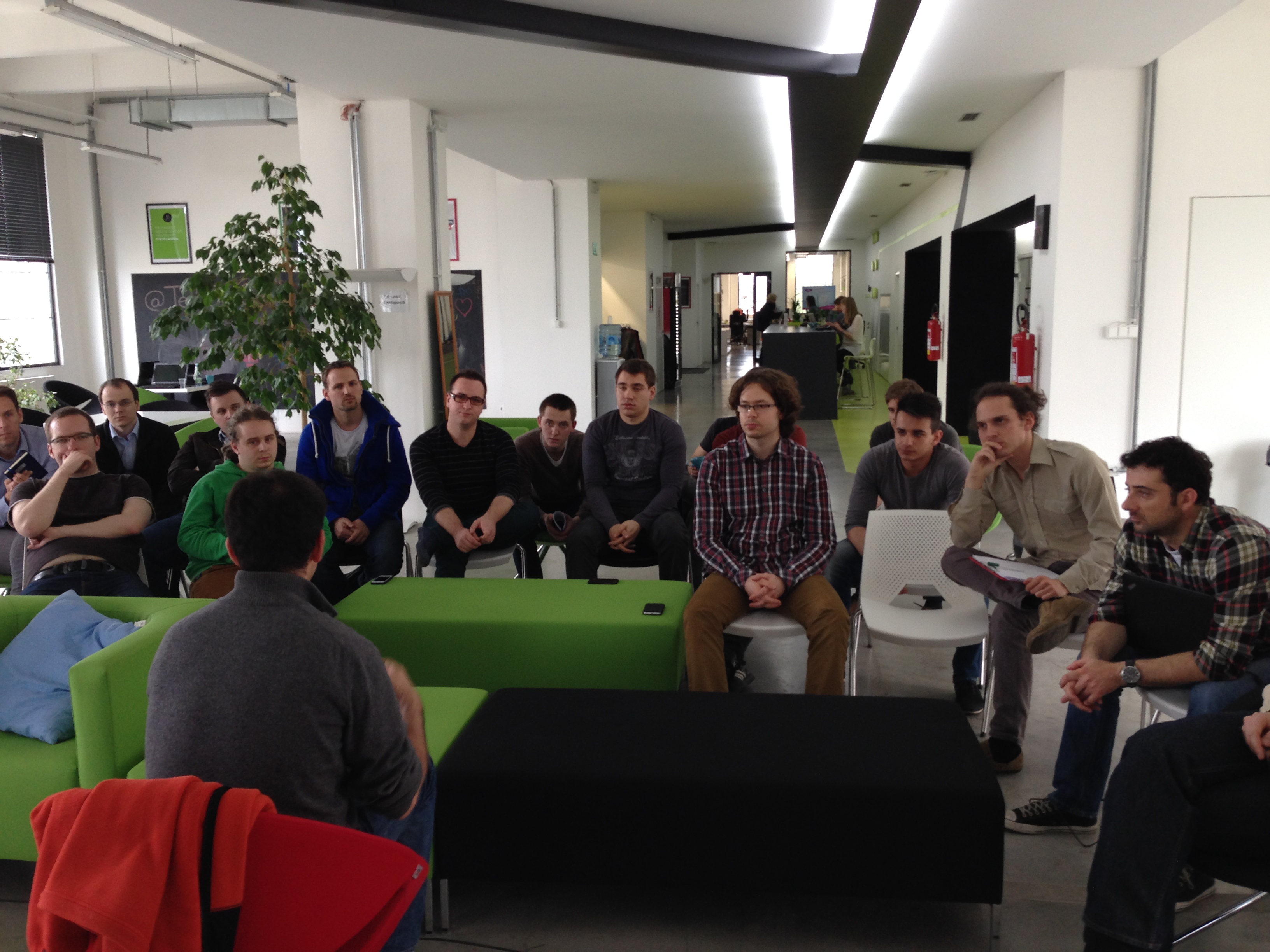
All the teams had an opportunity to grill and be grilled. No one was spared in this workshop.
Evocative soundbites are those that make a strong statement, which forms a clear image in the mind of the journalist, which he or she can pass on to a reader. This process is one of positioning, as well as promotion; Zatloukalova gave the example of Seznam itself: pointing out that Seznam doesn’t speak in terms of itself alone, but evokes the images that reporters are familiar with, to contextualize the company: “Seznam: the only company in Europe competing on a level with Google,” or simply “Seznam is the Google of the Czech Republic.” These sorts of statements are strong, can be backed up with facts, and are easily understood and repeated. The simpler a statement is, the greater a chance it has of finding itself repeated and used again. As an editor, Zatloukalova will often take the writing of a marketing copywriter or a fellow PR rep, and remove, to their great frustration, all of the adjectives from the piece. The point in this should be clear enough: what is important is not your opinion by itself, nor how you wish people to see things, but rather statements of fact that can be argued convincingly. You can tell someone that your app is wonderful and innovative, but why should they listen? People listen to surprising and unexpected statements- even statements they don’t necessarily agree with.
One of the CEOs at the workshop voiced a doubt about this strategy. “The Macbook Air wasn’t the thinnest notebook in the world. What happens when your claim is only arguable?” But Zatloukalova pointed out that arguments of that kind aren’t particularly bad, for an established company or for a new one. If the media is arguing over or critiquing your claims, you’re in control of the conversation at a basic level: they are already talking in terms of how you see yourself.
[ssba]