StartupYard’s First Ever Mentor Symposium a Success

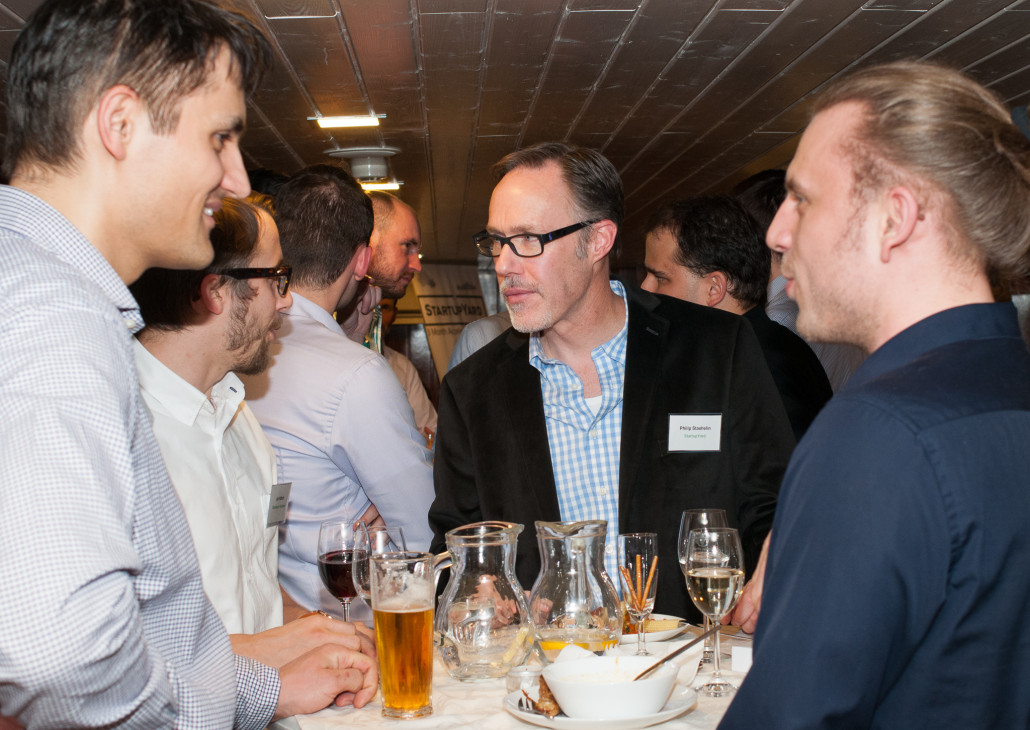
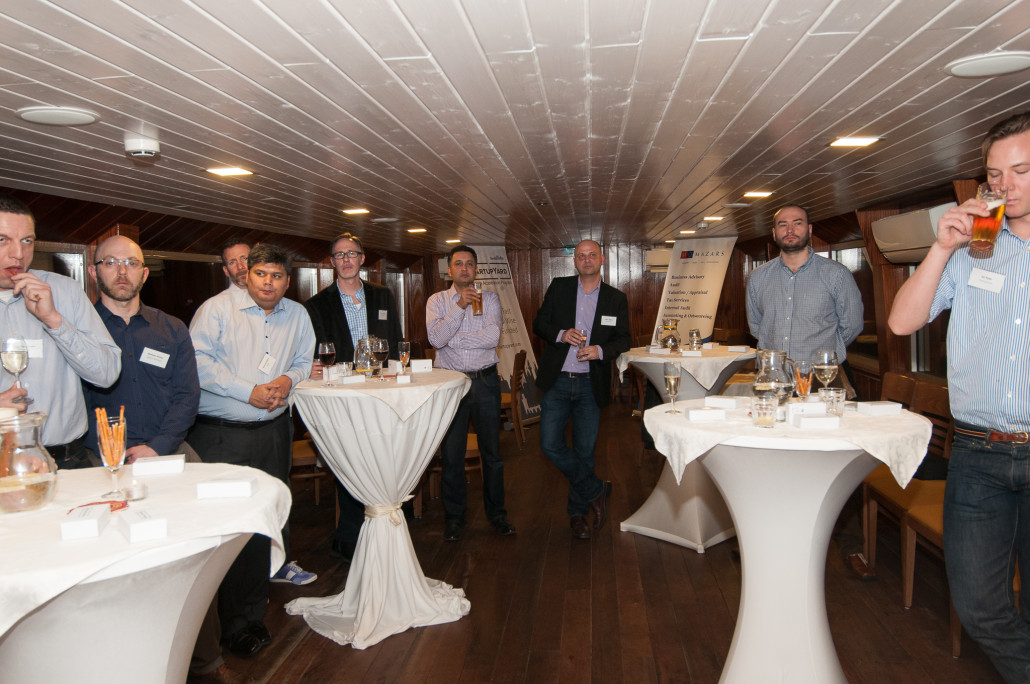
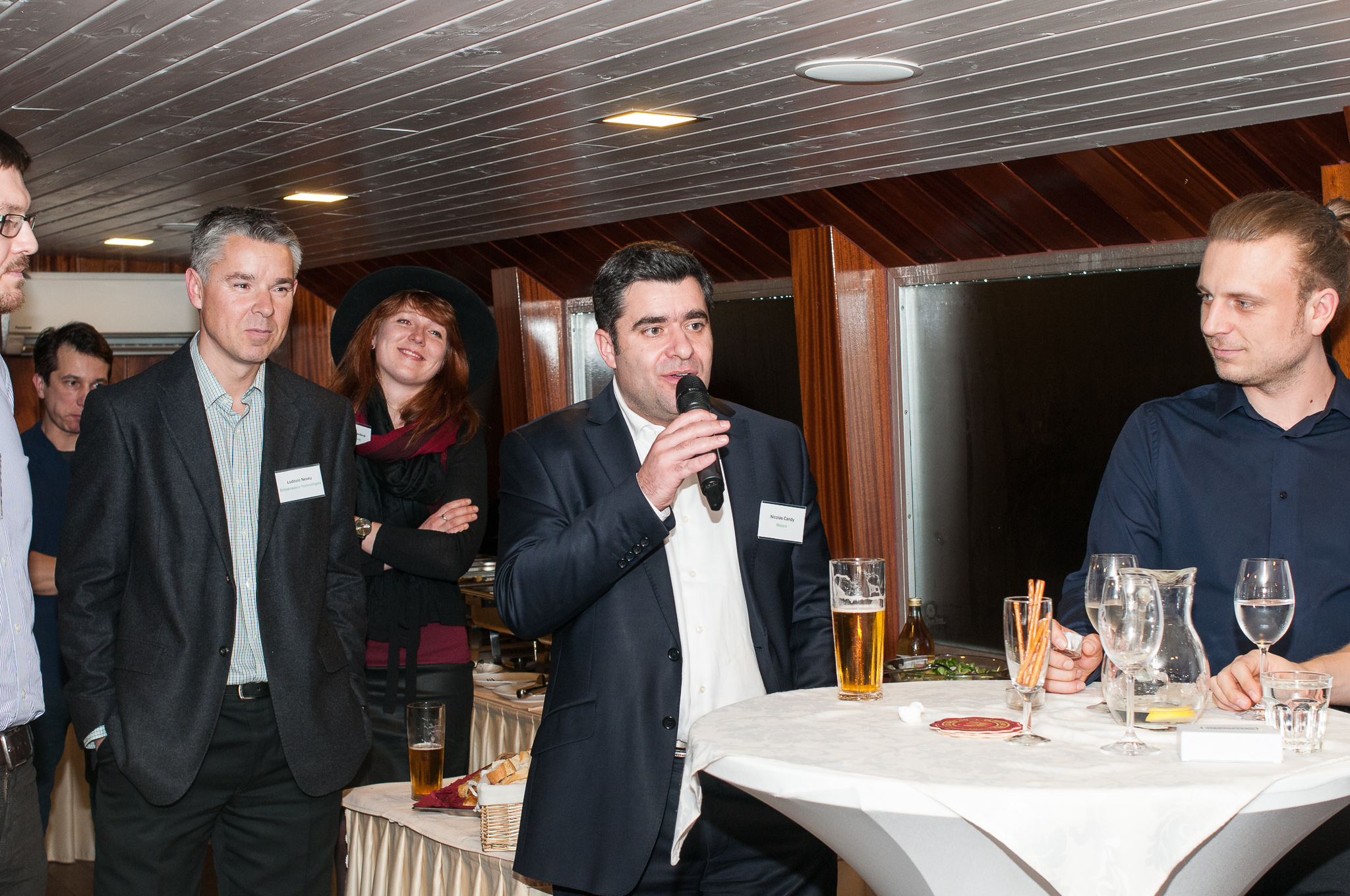
This week, StartupYard welcomed about 35 of its mentors on the Riverboat Labe, for a 2 hour cruise on the Vltava, in the heart of Prague. The event was cosponsored by our partners, French accounting and legal consultancy Mazars, who operate in The Czech Republic, and have pledged their services to our upcoming cohort of startups.

Mentors from such companies as Seznam, Google, Microsoft, Avast, Ysoft, Rockaway Capital, and Credo Ventures, to name just a few, were in attendance as well.

Since late last year, StartupYard MD Cedric Maloux and I have been working on making StartupYard more of a public resource for Startups and investors in the region; for example, with our SOS program, our public events, and on this blog. As one of our mentors noted to me during the cruise, StartupYard, especially now with the demise of Wayra’s Prague operation, is the sole “full-fledged accelerator,” in the area, providing an intensive mentorship based program. This makes community building and trust among our core of active mentors more important than ever. We remain one of the few communities solely focused on developing startup culture in the Czech Republic, and in the CEE region.

Given the degree to which we rely on our mentors, this event was, we think, a decidedly successful opportunity for them to let us know what they want from their mentorship experience. Aside from networking and finally putting faces to the names that all of our mentors recognize from our blog, our emails, and our public events, our mentors got the opportunity to share their ambitions for this community with the whole group of active mentors. Here are a few of the key insights we gleaned from the event:


CEE Startups Suffer from Chronic Low Visibility

As Daniel Hastik mentioned to me during the event, and as others also expressed, StartupYard’s enduring mission has to be focused on selling CEE startups, and the region, to western investors. While Silicon Valley, New York, and London are glutted with cash; much of it going into huge valuations on “unicorn” startups, CEE startups are consistently cash strapped; despite a high level of technical execution, an attractively low cost base, and a raft of great business ideas floating around.

DSC_4115

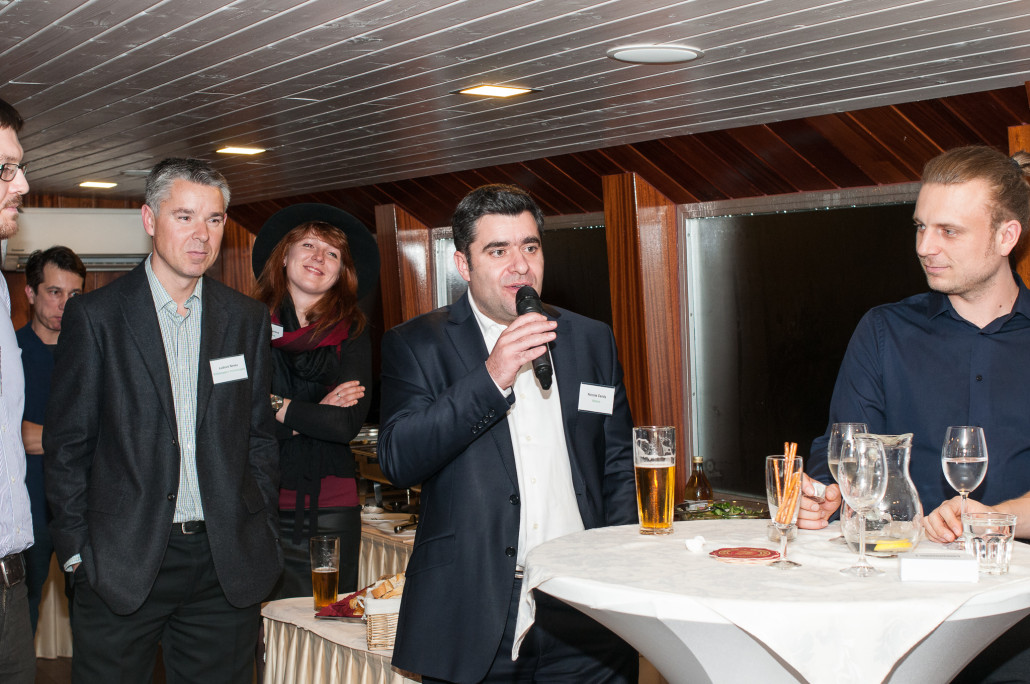
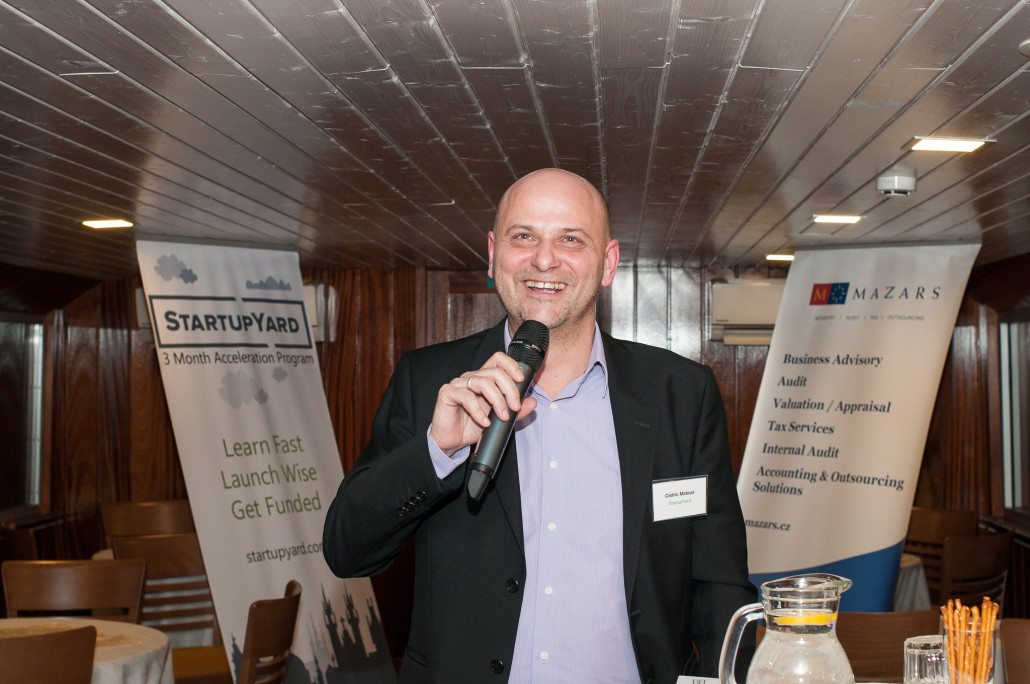
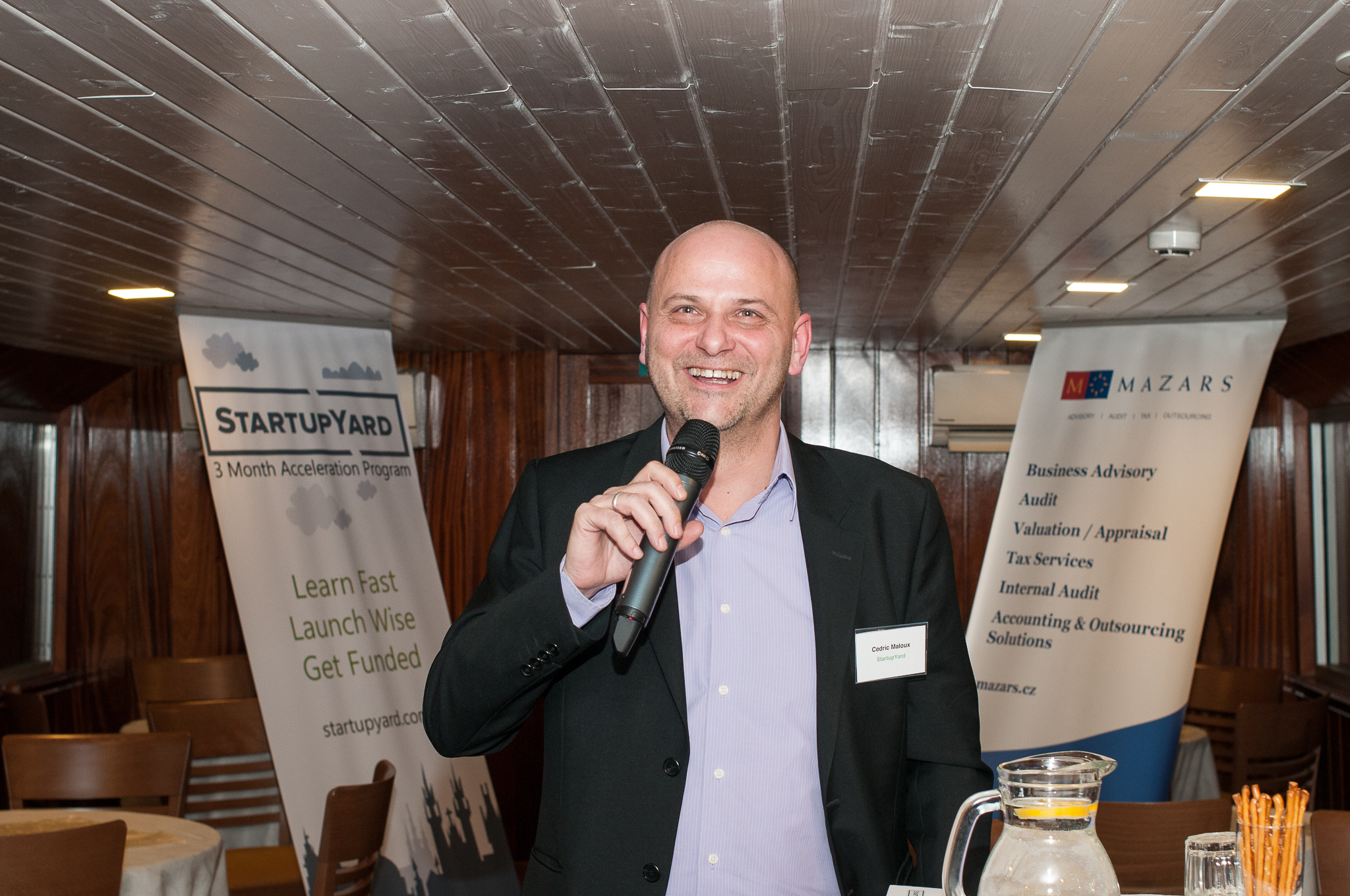
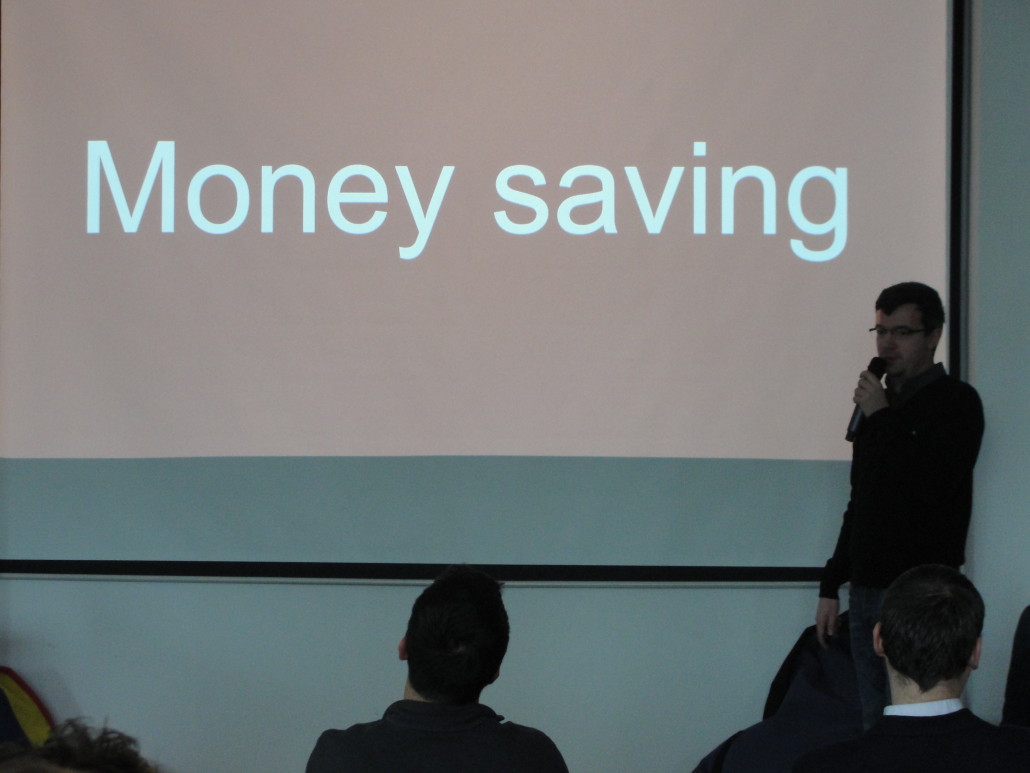
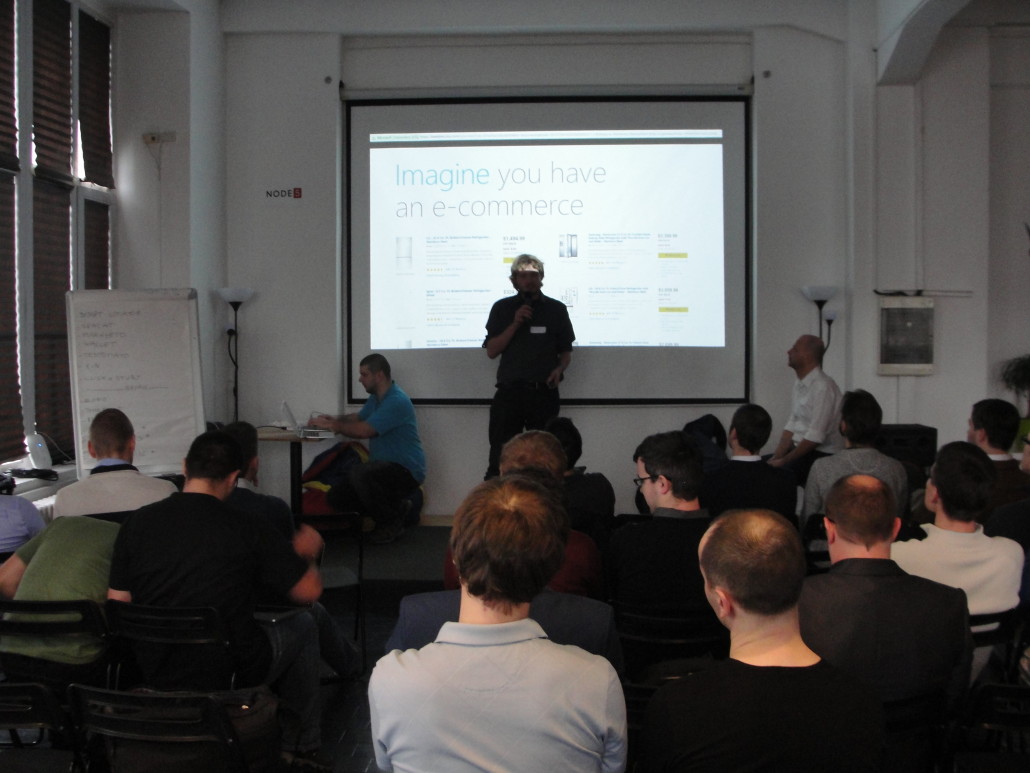
Cedric Maloux addresses our dedicated mentors.

StartupYard’s own experience in the last year has been proof of this trend. Even though Czech applications accounted for less than half of our total for the 2015 open call, we selected, on their merits, 6 out of our final 7 startups from the Czech Republic. The majority of these startups are already generating revenue, and have clients in place, yet their access to western investment has been limited to non-existent. StartupYard has seen, from our talks with foreign corporate partners and investors -especially those in the UK and France- that there is a growing interest among outside investors in the region, but that investors have little access to good information about local startups. StartupYard and other accelerators and incubators have a vital role to play in bringing standout entrepreneurs onto investors’ radar in the west. And that’s exactly what we plan to do in the coming months; it is one of the purposes of our first ever Investor Week, in which visiting investors will have a chance to see the potential in local startups.


A Responsibility to Give Back

DSC_4158

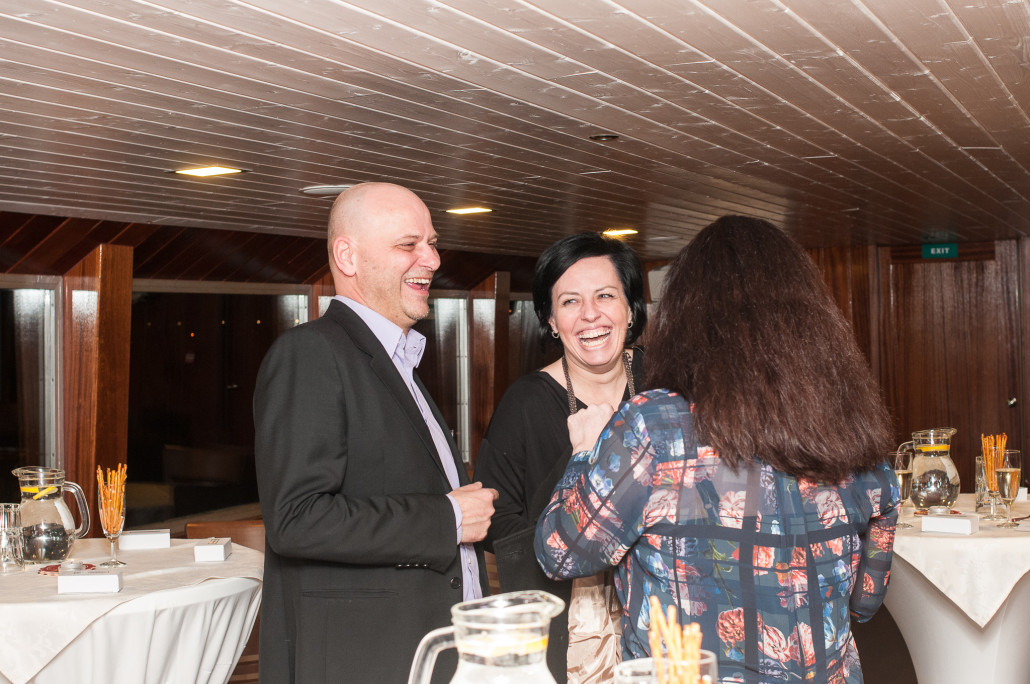
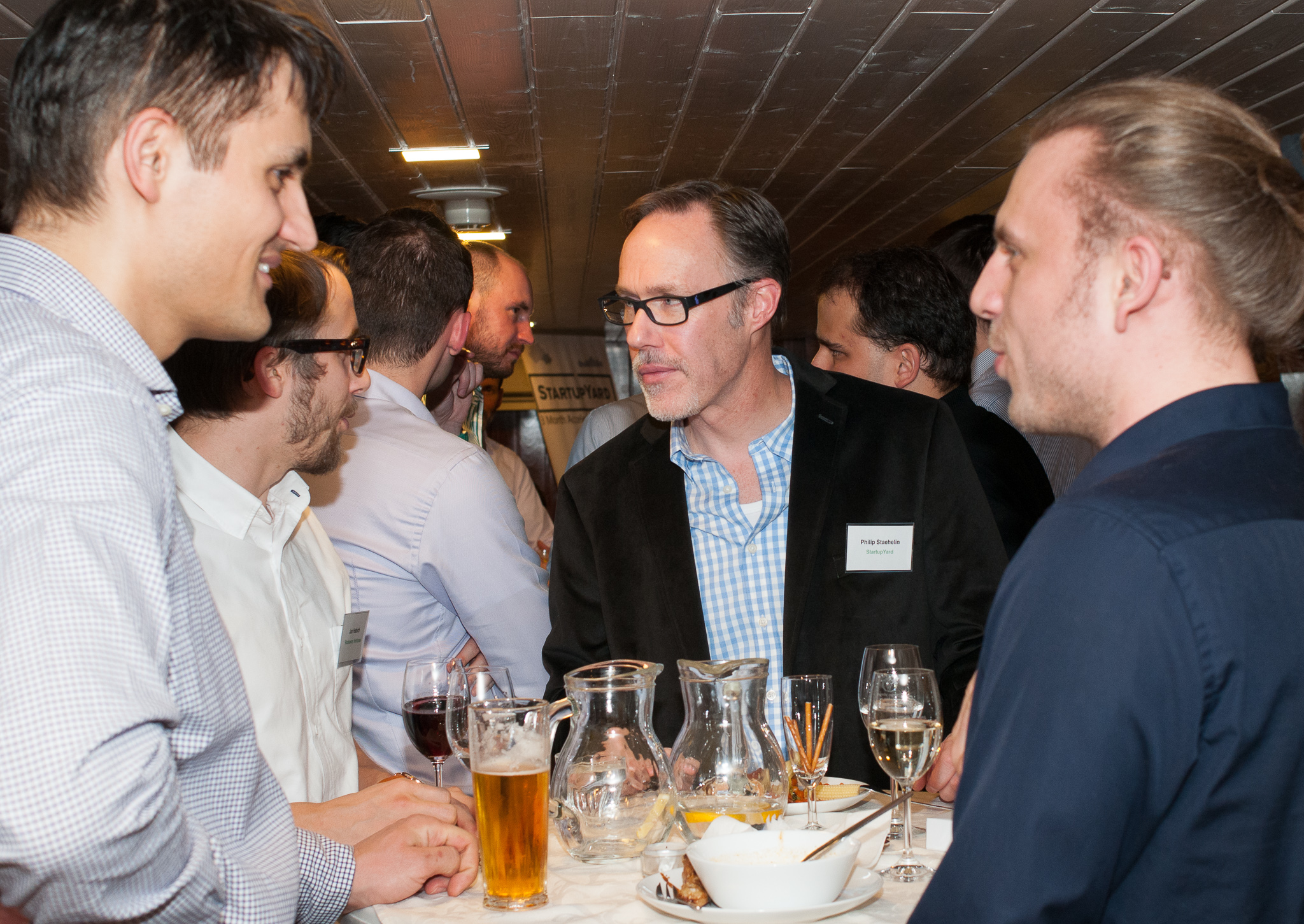
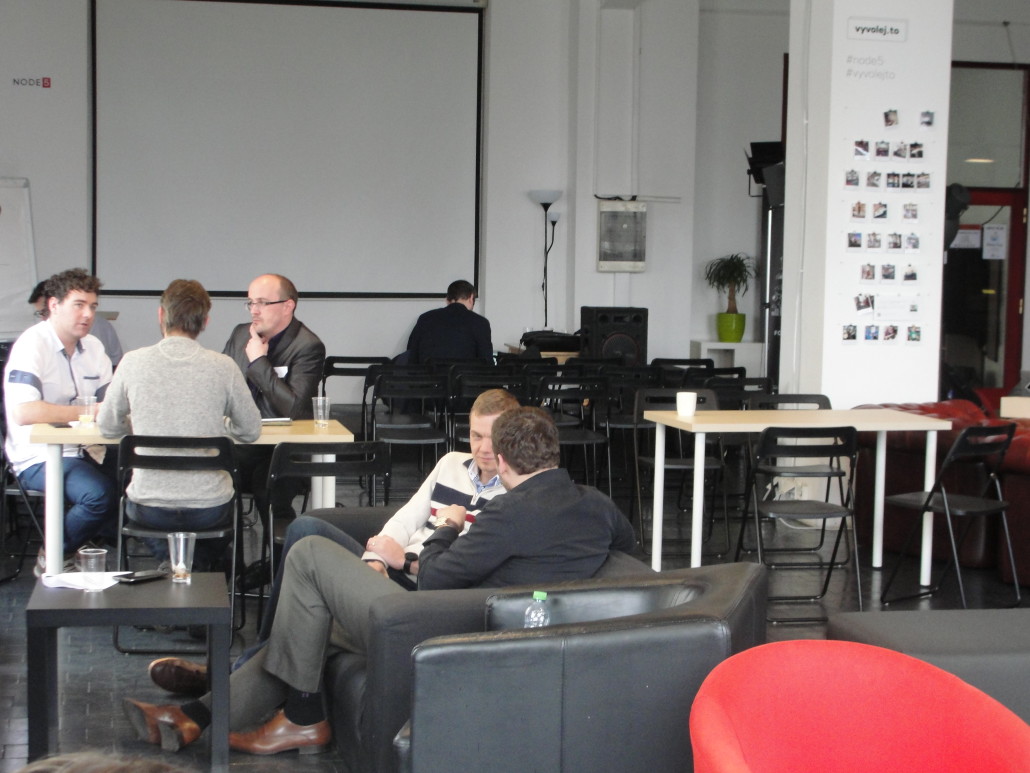
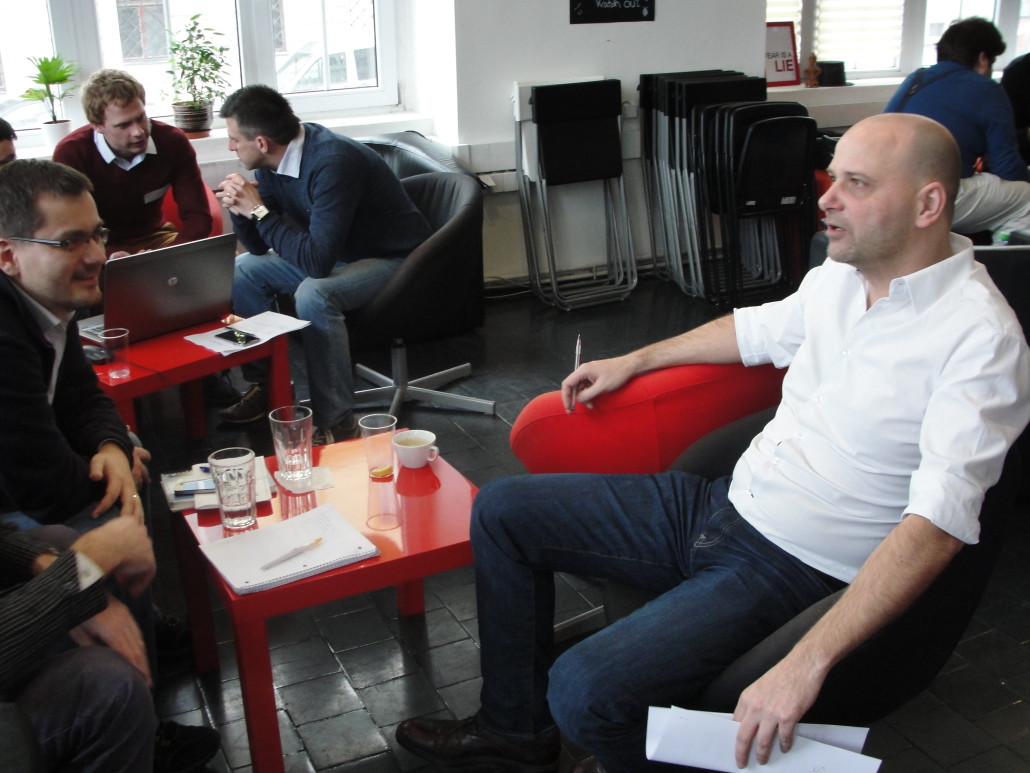
Many at the event represented the first successful technology companies in the Czech Republic.

Also commonly expressed among our mentors, who are composed of entrepreneurs, corporate partners, investors, and domain experts, was a feeling that they were responsible for giving back to the CEE region, and the Czech Republic, by sharing their knowledge and their experiences with younger entrepreneurs. Among our mentors are some of the key creative and entrepreneurial leaders of the Czech technology sector, and that is an economy that had to be largely rebuilt at the time that many of these people were starting their careers. Now those people are among the first in decades to have the opportunity to invest in future generations of entrepreneurs.


DSC_4136

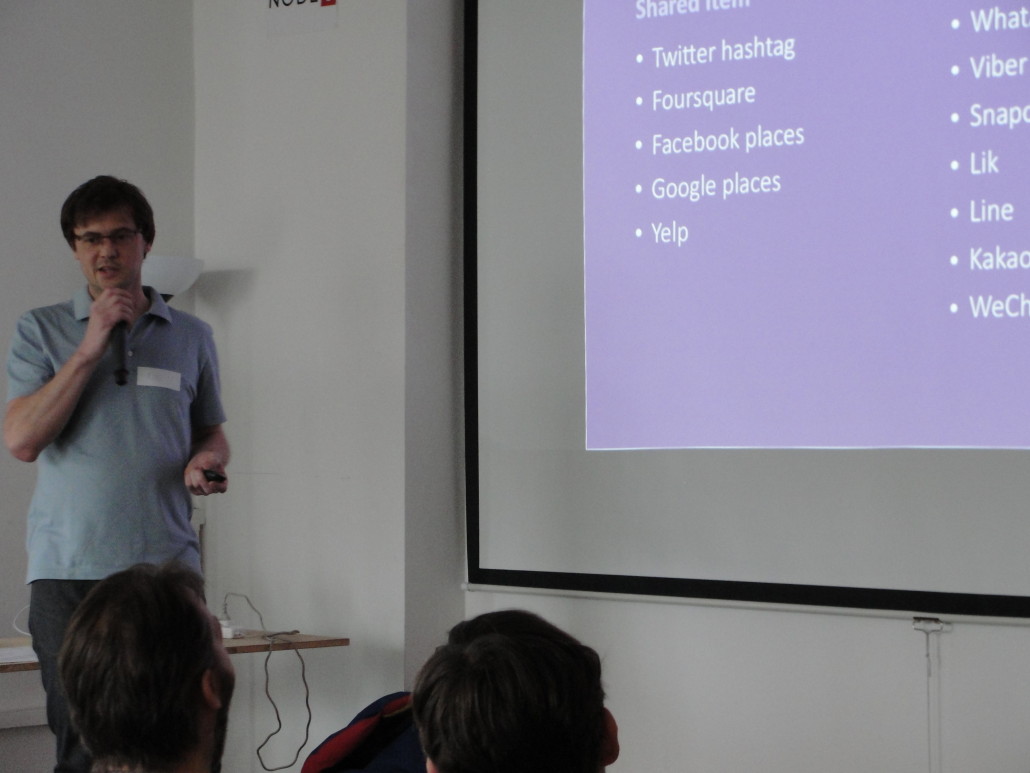
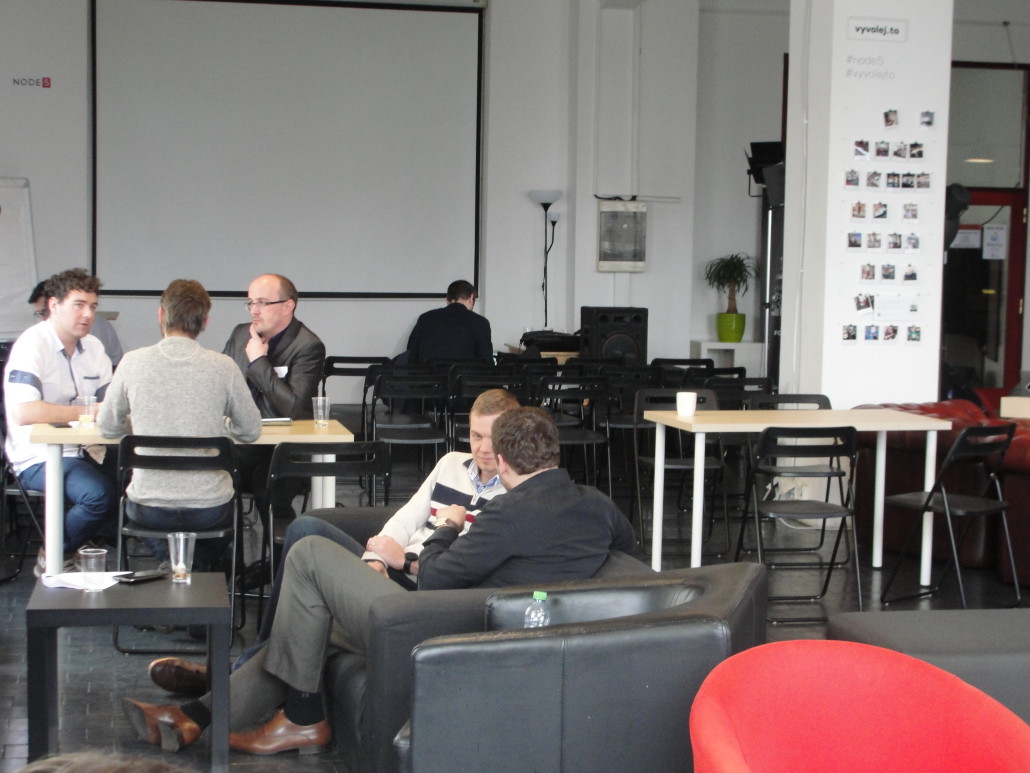
StartupYard Sponsor Mazars spoke briefly about fostering innovation in the CEE Region

These mentors have participated in bringing the Czech Republic back towards the incredibly high level of efficiency and creative energy that it experienced during the first CzechoSlovak Republic (1918-1938), after 50 years of war, invasion, and stagnation under communist rule. The Czech Republic’s transition to a market economy since 1989 has been viewed as a model for the region, and these businesspeople and engineers forged that model themselves. So while the Czech Republic largely missed the computer revolution of the 1970s and 80s, its first generation of truly self-made entrepreneurs fought mightily to regain that ground, and is just now reaching middle age, and looking for ways to foster innovation in the younger generations of inventors and business people. An enormous store of talent and experience is now at the disposal of young entrepreneurs in The Czech Republic, and in many ways, that has not been the case in nearly 70 years.


Also among our mentors, such as our Executive in Residence Philip Staehelin, Skype Product Manager Amit Paunikar, Zentity CEO Abhishek Balaria, and public speaking trainer Jeanne Trojan, are foreigners who have dedicated many years, or decades, to their adopted country, and are keen to see the generation of entrepreneurs coming forward take the next steps toward fulfilling the region’s enormous creative and business potential.

Local Innovation Remains Important

Most of our mentors have been a part of successful ventures in the Czech Republic, and local innovations and improvements in the local economy remain a point of interest for most of them. While our startups aren’t working on local products, StartupYard’s central mission includes improving conditions for startups in Prague. We are also planning a few other exciting events and initiatives, but we’re not ready to announce them… yet!

LeWeb Startups: What Is Your Biggest Challenge?

Recently, at Paris’s Leweb conference, we asked startups in attendance a simple question: “what is your biggest problem right now?” Here is what they had to say:


Hiring and Growth

Far and away, the most common problem that startups in a growth stage experience is finding and retaining talent. Which is why it’s so important to think about building an effective team from as early on as possible. As I’ve said often here, for an accelerator, the team is everything. That isn’t just because a startup needs talent and experience in order to get funding. During our selection rounds for StartupYard, we met talented and experienced entrepreneurs who didn’t have a team. Their own personal talent and experience were not enough for us to accept them to the program; we didn’t take any single founders this year, nor did we in our 2014 round. The question isn’t wether we see these single founders as talented. They often are very impressive and hardworking. The question is, what will the founders do with the money when they get an investment?  A single founder has hurdles that a group doesn’t face, because as a CEO of a newly funded company, he/she will have to start from scratch, not building a talented team of engineers, designers, and marketers, but building an executive team that will oversee the hiring of those people.


Delegation is a Zero-Day Vulnerability

Asking someone to invest themselves in a startup as an employee is one thing. Asking them to take ownership of it, and immediately evangelize, advocate and hire on its behalf, is quite another. A single founder has to find people who can do that, and that’s a major disadvantage. Startup founders are often surprised by how narrow their focus has to become once they get funded, and how little of their time they can spread to all the aspects of the company’s development. If you’re traveling to conferences and fundraising meetings for days and weeks at a time, you can’t oversee product development. If you’re running a major marketing campaign, you can’t spare time to talk to investors about more funding. The more milestones you achieve, the less time you will have to devote to the details that have gotten you this far- which is why a great team is so vital. Multiple founders take the pressure off each other, and they delegate authority, and enforce a common vision on multiple levels at once.


Early and Aggressive Recruiting Lowers Failure Risks

Many founders see funding as the key to hiring. “Once I get some cash, I can hire a great team!” That’s backwards, and here’s why: once you have cash, you’ll be hiring people who will only join your team because they’re being paid. They might be more talented, or more experienced, but will they really believe in your work and your vision? Will they carry that vision forward on their own initiative? You can’t know that for sure, and probably won’t know whether your hiring decisions were good ones for quite some time. You’ll probably never have a complete handle on your employee’s motivations. That’s fine if you’re Microsoft, but not if you’re a team of less than 10-20 people, where a single “goldbricker” brings the whole team down. On the other hand, if you can attract and hire people to work on your project before it is a moneymaker -before a real paycheck is assured- then you are much more likely to hire the types of people who will stick to you through your failures, as well as your successes. They may not be the most experienced, and their talents may not be proven yet, but loyalty can’t be bought for all the money in the world. Your early hires, if they come onto your team because they believe in it, and if they last, will be loyal. That’s something you can’t afford not to think about.

Accelerators and Valuation: Stay Grounded

Last week, we were happy to invite 9 really promising startup teams to StartupYard’s March 2015 acceleration program. As with all rounds, there were loads of questions, and a few startups that weren’t quite sure what they wanted to do. StartupYard was, when it started, one of the only options in Central Europe for the kind of program that we have.

But today, with increasing competition from other accelerators in the region, as well as the muddying of the waters between what defines an “incubator,” vs. an accelerator, and the myriad different terms that startups can be offered, these decisions are becoming harder to make. As the level of progress for the startups we accept has risen, so has interest in those startups from other organizations. It’s a confusing time for startups, and we’re seeing the results today.

investing 

An Untypical Situation

One of the startups we accepted last week came back to us with a strange problem. Strange, from our perspective, because it actually *isn’t* a problem at all, but from their perspective it seemed a vital concern. The startup (who we will not name), informed us that they would be attending a competing accelerator in the region, but that they’d welcome us to call and have a chat about the decision. I called them immediately. While it’s obviously their decision, and their responsibility, to choose the best course, I was interested in their reasoning so that StartupYard could improve either in our communication about the value of our program, or in our program itself. What was another accelerator offering that was more attractive?
The founder was expecting my call. The other accelerator, was “going to give us a higher valuation,” he said, gravely.

I wasn’t sure what he meant. “Ok. I understand that any deal you have with another accelerator is confidential… but may I just ask what you mean by that? Are the terms they’re offering different from ours? Less equity for more capital?” “No,” came the answer. The terms, it appeared, were the same: 30,000 Euros for 10% of the company. “Well, in that case, I am just wondering how you think that your company’s valuation would be higher if the terms are the same.”  “Well,” came the response, “they are offering a higher valuation based on the costs to the accelerator.”
To make a long story short, what happened, I think, is this: the other accelerator, in their communications with startups, or even in their terms, was implying that their costs (the amount of money they spend internally on operations and on benefits for startups, like food, events, offices, housing, travel, or anything else) would be figured into the total amount of money they were investing in the startups.

That’s a little bizarre, not least because it’s redundant: the costs and risk that an accelerator incurs are part of its justification for such a high percentage of a startup, at such a relatively low valuation: we take 10% of companies, and give only 30,000 Euros because it costs so much, and because it is so risky. There are not many other types of investors who would commit to that level of investment in anything after a very brief application, and a handful of meetings. Nor would many investors put money into the companies that we fund at the stage at which we fund them. Most investors wouldn’t have the time or expertise to make those kinds of judgements. That is why we exist, to fill that gap in the funding cycle, and improve the chances of standout startups to succeed in later rounds of funding. We don’t “give” startups a valuation. They arrive at a valuation with their investors as part of broader negotiations. The investors and the startups decide together how much the investor wants or can put into the company, and how much of the company that investment ought to represent.

It’s bizarre too because it is so transparent, and so arbitrary. If we were to include the costs of accelerating a startup as part of the “cash” investment that we give startups, we could theoretically state that our “investment” in the companies is around 60,000 Euros. That would give the company a theoretical pre-money valuation of 600,000 Euros. But that figure, and its basis, would be meaningless in determining the value of the company, either in pre or post-money rounds. We could go further even, and state that the value of our program (which includes over 250,000 Euros in perks packages from selected partners) is “worth” over 300,000 Euros. At 10%, that would give our fledgling companies a “valuation” of over 3 Million Euros. Now we’re talking!

Funders and Founders does a decent job of breaking down the difference between a “pre-money” and “post-money” valuation. And why they are so different.


Double Or Nothing

But any investor smart enough to chew gum and walk at the same time would want to know one thing, and one thing only about these figures: how much of that is cash? What relationship does the amount of cash spent have to the number of users/clients/sales the company has, will have, or could have in the future? Traction. That’s it. That’s everything. And if anything, the idea that a company has a 600,000 Euro valuation, and still has the user numbers and traction of a 300,000 Euro company, is worse than the alternative. And to pile on, a startup that receives in-kind services and accelerator help, and actually represents that help as a form of asset to the company is lying and misrepresenting itself to any investor.

They are deceiving the investor as to the real market value of the company, because while an accelerator program absolutely should raise the profile of a startup, the results that an accelerator brings should be evident in the skills of the team, the company’s go-to-market strategy, and the actual gains in traction the company has made already. To include the dollar value of an accelerator program would be to ask for double the credit, for the same amount of work. It would be like charging an administrative fee for processing an administrative fee.  Credible investors, the smart kinds of investors that startups should be courting for their first investments, will not view that kind of sophistry with kindness. They will punish a founder for it. And, having lied and misrepresented itself once, the startup and its founders will have poisoned the pond with that investor for any future deals.


The Valuation Trap

This is all what I’d like to call the “valuation trap.” The idea that investors are going to be impressed by the pretension of talks about a higher valuation without the fundamentals to support it, and that this will push investors to put more cash into a startup for less equity than they normally would. That is a lie, and a trap. While you may trick a naive investor, early on, to buy into your company for vastly less equity than the investment is worth, that will work exactly once. And all future investors, the more sophisticated ones that will look with concern at your actual cash resources, and their implications when it comes to your team, your traction, and your userbase, will see the scam for what it is. Valuations have to go up, not down. If they don’t go up, early investors aren’t rewarded for their faith in your company. And allies, people who are more likely to be supportive of your efforts (and have backed up that faith with real money), will be burned, and may turn on you.

If you bring a naive investor in at a low price, based on a dishonest representation of your company, then the next investor will be wise to the scheme, and will not invest at the multiple you are hoping for. Instead, they’ll insist that the valuation needs to either not go up at all, or to go up only slightly. This may be the only way that you can get investment at all in later stages. And what will you tell that first investor, the one who believed in you the most, when another investor comes in and gets even more equity out of your company, for the same price? If an angel investor comes in at 50,000 Euros for 2 percent, and the next investor comes in at 150,000 for 20 percent, you’ve just cheated that angel investor out of either a great deal of money, or a good chunk of equity in your company. That’s how he/she is going to see it, even if you had no choice. The numbers are supposed to go the other way, and suddenly the angel investor has paid 50,000 euros for something worth 15,000.

Given all that, the idea that you would even want an artificially high valuation for your young company is specious, at best. What about your company is more attractive to an angel investor at 600,000 Euros than at 300,000? If he/she looks at your burn rate, your traction, your product, and your team, and sees real value there, the lower the valuation, the more attractive your company becomes as an investment. You always have to give more equity to early investors. So keeping your valuation grounded is an important thing when considering an angel round. And an angel round or a seed fund is how most startups we work with are going to raise their first serious investment after the accelerator. Few have enough traction, enough history, or enough of a convincing business plan to attract a serious VC deal early enough to avoid having angel investors or doing a larger seed round.

An Accelerator Is Not A Typical Investor


StartupYard at its founding in 2011. We've come a long way.

StartupYard at its founding in 2011. We’ve come a long way.

If you’re looking at an accelerator as a potential source of cash, and nothing more, then you’re looking for what will ultimately be a pretty bad deal. The equity split will not be favorable for the amount of money involved, and you’ll waste a considerable amount of your own time in the accelerator program- time you may see as wasted. We always have a few applicants who are obviously treating us like a potential source of cash, and a hassle they’ll have to deal with, rather than an opportunity. We’re not insulted by that. Some startups don’t need our help, and wouldn’t benefit much from joining us. Either they’re already accomplishing what they need to, or they aren’t, but they aren’t equipped with the humility necessary to use the help we would offer. Startups that don’t think they need our help, but are willing to take a 30,000 Euro investment for a 10% equity stake, probably do need our help. If they didn’t, they wouldn’t need the money either. But needing help and accepting help are two different things. And we’ve become more practiced at spotting the difference.

An accelerator is not a typical investor. And the equity it takes doesn’t define the value of the company it invests in. Investors should know this. If they don’t know it, you should tell them. A good accelerator should deliver enormous value to a company it invests its time, knowledge, and money in. But at the same time, a company coming out of an accelerator has to justify its valuation based on its own merits, which I’ve enumerated above. An accelerator can’t and shouldn’t “give” any valuation. A valuation is a number you arrive at as part of a negotiation with your investors, and should represent both the interests of the investor, and the interest of your company. Your interests as a company are 1) to get enough money to operate and grow, 2) to leave room for future investment rounds for the same reason, and 3) to become ultimately profitable. A sky-high valuation can work against some of those goals early on, making it harder for you to get investment, and leaving no room for your valuation to grow and attract new investors, while rewarding the early ones. A higher valuation will also set expectations for future profitability that may never materialize, hurting your chances of selling the company, and of appearing successful in comparison to the competition.

An accelerator like StartupYard works to make sure that your product, your team, and your plan are solid, and worthy of investments. Then we work to connect you with investors, and get you ready to work with them. It is in our interest that you not only get investors, but that you get the right investors for your company, at the right valuation. Some accelerators take less equity than StartupYard, but the amount of equity taken is not a function of how greedy an accelerator is. I can assure you that StartupYard, while it gives less cash to startups and takes more equity, is not seeing the upside that Techstars and Y-Combinator are. And the moment StartupYard can afford to, we will offer more cash for less equity than we currently do. We would have to, but it would also be in our best interest. That’s why we tripled our cash/equity ratio just this year, and are seeing even better prospective startups for the program as a result.

But even as we tripled our funding for startups, and made significant investments in our team, our program, and our facilities, we didn’t triple the red tape necessary to be accepted to StartupYard. We are offering, with each successive accelerator round, a more attractive package for our investors, and for our startups. It’s a process, and we’re not at the end of it. Just as we can’t and won’t sell our investors on value we don’t yet have, we would never advise a startup to do so either.


StartupYard Accepts 9 Teams for 2015 Accelerator

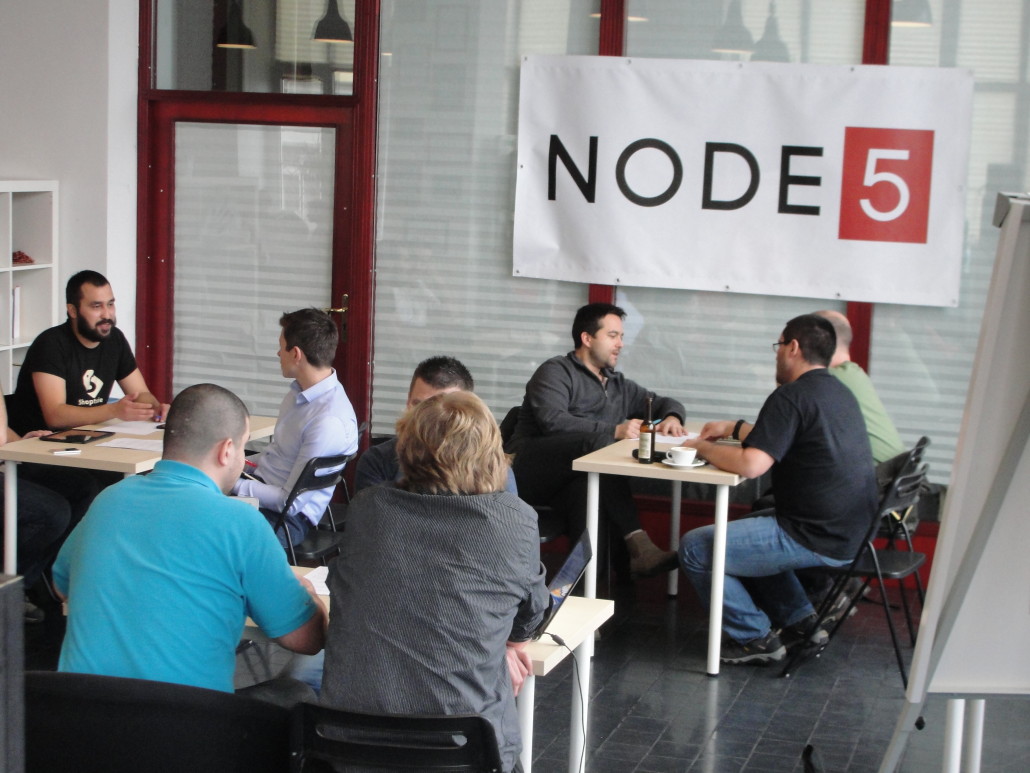
We’re pleased and excited to announce that, following nearly 3 months of applications, interviews, and the StartupYard finalists day at Node5 last week, StartupYard has now finalized our choices for the 2015 acceleration round, starting March 9th in Prague.


9 Teams, 4 Countries, 1 Amazing Group

The startups accepted to this acceleration round, for which StartupYard has been able to triple our seed investments to 30,000 Euros, represent a broad range of businesses and founder backgrounds. Teams will be drawn from Slovenia, Macedonia, Romania, and The Czech Republic. We also had notable finalists from Ireland and Bulgaria, as well as Israel- a first for StartupYard.

We believe that these teams, with projects in fintech and personal finance, e-sales, security, geolocation, productivity, education, represent the most advanced cohort of startups we have every accepted for an acceleration round, with the majority of teams already possessing an MVP, and several with live products, paying customers, and existing market traction. With most projects centered around mobile applications and services, they are also representative of the latest market demands, and of current investor interest. While about half of the teams are from The Czech Republic, we have notably expanded our reach into Southern and Eastern European markets, welcoming teams from both Slovenia and Macedonia for the first time.


Final Selections

In a marathon series of trainings, pitches, and mentoring sessions with the StartupYard selection committee, including Startupyard stakeholders and mentors, the finalists survived a 2 day selection process, in which every element of their startups, their experience, their charisma, their devotion, their salesmanship, and their product and market knowledge were tested repeatedly. The StartupYard selection committee then met to vote on the finalists, filling 9 spots out of 10 available.

Just as we had hoped, the selection committee engaged in passionate discussion about most of the final selections, and the elimination of the final teams (themselves selected from a pool of over 200), was a challenging process. But we are left with a core of 9 teams that have truly impressed us in one way or another, and which we are anxious to share with investors and the StartupYard community.

Team Names Coming in March

Although many of the teams selected for this round already have products on the market, as is customary for StartupYard, we will not release their names until they have experienced a full month of intensive mentorship with StartupYard’s current community of over 90 mentors and advisors. While you’ll meet some of the teams on this very blog in weeks to come, we will not release names and websites until then. So stay tuned to learn more!


Anatomy of A Bad Idea

Why Some Startups Are Doomed to Fail 

Last week, StartupYard finished its selection for the first 2015 acceleration round. We can’t tell you anything yet about the teams that we’ve chosen to invite to the accelerator, but we can say that it was a great experience to meet the teams, and the final choices were very difficult- much more difficult than they ever have been before.

Often, it is very tough for an evaluator to separate his or her impression of the team being evaluated, from the impression of the product. As I’ve said here often: the team is almost everything. We have taken, and will continue to take, teams that are working on products we don’t necessarily think have found a product/market fit. Sometimes it’s up to the teams to convince us that their ideas will work, and sometimes it’s up to us to convince the teams to change directions.

What we don’t do, is take teams we don’t believe in. This is not to say that we never have taken teams that presented us with certain doubts. But even those doubts have almost always been justified in the end. The biggest point of failure in startups is not the product design, the marketing, or the investment plan, but the willingness and ability of the team to adapt and persevere.

Having now read over several hundred applications, and heard scores of pitches over the last year, though, I’ve identified a few common issues among the teams we have rejected. These are not hard and fast rules, and they’re very subjective. Plus, almost every team we accept *has* at least one of these issues to some degree. The difference is that we believe in the team enough to give them the chance to overcome it. Here are a few of those issues:

It’s a Feature. Not a Product.

By far, the most common product issue with Startups that are rejected from StartupYard’s final rounds of evaluation has to do with the strength of the product vertical. It’s one thing to help a strong team to focus its efforts on a smaller market than they envisioned originally. It’s quite another to ask a team that has devoted considerable energy to a niche, to take the wider view of their product category. Many strong startups *do* start with relatively narrow market approaches- but they also bring ambitions for expanding into new areas. Sometimes, however, we see startups that are so focused on a particular aspect of what they do, that they’ve effectively lost sight (or never had sight) of their place in the bigger market. A common question for us when we meet these teams is: “what happens when X (Google, Microsoft, Apple, Facebook) copies this feature?” Many a potential startup has been crushed by its functionalities being added to an operating system or platform it depends on to survive.

Having a feature that mimics your product’s behavior doesn’t have to be the end of your company. There wouldn’t be successful calendar apps, email services, browsers, timers, messengers, and 100s of other services if that were true. But if your product category is so narrow that your customers only identify it with a specific functionality, rather than a whole market, then you may have problems.

We have had to reject very interesting projects for this reason: the team has just worked so long and hard on a single feature, that they have become unable to envision its place in the market as a whole product. Because no matter how ingenious a particular feature is, and no matter how useful it may be, it has to be something that can be marketed and sold. Otherwise, it will inevitably become a part of another product that can be.

Doing it For the Wrong Reasons

business_idea

Not everybody in tech wants to be a Steve Jobs or a Mark Zuckerberg. If that’s what you want though, get in line. There are probably people a lot smarter than you with the same ambitions. But these luminaries, and the thousands of others who have made real, deep impacts on the world of tech and business, did so by channeling their passions, for many years, through wise, careful business decisions that accomplished goals unrelated to making mountains of money. The money is the by-product, a useful sideline to their missions to change the world for the good. And those two gentlemen both gained some notoriety for not caring that much about it to begin with.

If you want to be famous, you’re much better off going on auditions for television dramas (or worse, reality shows) than you are starting a company. In fact, starting a company in the hopes of being famous is sort of like trying to invent a new camera in the hopes of becoming a moviestar. There are shorter routes to fame, and ones that don’t involve wasting the time and energy of dozens of other people.


It’s Not a Business

I don’t think many people would argue that any modern day startup founder was smarter than Alan Turing, or that any CEO of a large tech company was a brighter mind than Alexander Graham Bell. Both contributed enormously to the world that we now work in. But neither Alan Turing, nor Bell, were really businessmen, and though they respectively invented modern computing and telephony, neither profited much from it during their lives.

Some of the most creative and interesting startups we talk to are like this. They have engaging, intriguing ideas, and they are good at talking about them. But when it comes to laying out a plan for growth and profitability, it becomes clear quickly that what they have is not really a business. It *could* be a business, but even though they’ve done incredible intellectual work in developing their ideas, those ideas are about as relevant to starting a business as Einstein’s work was to the Manhattan Project. Einstein discovered that nuclear fission was possible. The skills needed to do that were unrelated to the skills necessary to make a nuclear bomb, or building a nuclear energy plant. A startup is not that different. The world needs visionary programmers and thinkers to come up with ideas we couldn’t previously imagine- but the world will take advantage of those ideas in ways that those thinkers may not have the skills to help with. The cruel reality is that most inventors have an uphill battle to fight, if they want to capitalize on their ideas. And history is full of visionaries who failed to profit from their own ideas. The perfect startup has visionaries and executors in the same team, but few have enough of both.


Local Niches are not a Path to Global Markets

We see a fair number of startups that aren’t exactly “me-too” products, but that don’t exactly have global appeal either. These are the niche products: the ones that work for reasons apart from their core functionality. They appeal to a specific type of person that doesn’t want to buy a mainstream product. . A niche product can be highly successful, with a devoted fan base. Given time, a niche product can spread itself to all corners of the world, finding like minded customers in many diverse cultures and markets, and binding them together over a single idea.

But local niches are something else. If a product is designed to serve a single market, and a single pain in that single market, and it doesn’t lend itself in any way to growing its userbase, or expanding its territory, then its days are probably numbered. Either international competitors will slowly eat the ground from under them, or the circumstances of the local market will shift, and customers will have fewer reasons to use their products. Having done all the work to develop the market for their product, the local niche company will quickly be challenged by better, shinier, newer, cheaper products to fill the niche, or international companies that can leverage userbases and investments 10 times larger, will push their way in, and starve the niche company out. Local dating apps eat each other, and then they are all eaten by Tinder.

Sometimes great, interesting, truly useful products will fail because, while they don’t have a product problem, they do have a business problem. They don’t have a way of growing and sustaining themselves against shifts in the market. And a company like that can never expect to be successful on a large scale, or for a long time.

Social Media and Community Management for Startups: Part 2

Last week, I wrote an overview of Community Management for Startups, explaining why community management can become an important part of a business’s evolving success as it grows; particularly if it grows very fast. Today, we’re going to take a deeper look at just one aspect of Community Management: growing your community on and off social media.

How Facebook and Twitter Work: In Theory

social_media

If you’re a startup that’s offering a SaaS platform, a consumer product, consumer content, or any other service, you should probably be familiar with the Pareto Principle. Named from an early 20th century Italian economist who observed that 80% of the land in Italy was owned by 20% of its population, the principle states that this 80/20 distribution, or “the principle of factor sparsity,” roughly reflects the total activity in a system, in proportion with its most active users.

For example, if you have 100 Facebook friends, then you can expect that about 80% of the content shared, messages sent, and likes and shares executed among your Facebook friends, will be the work of just 20 of those friends. A similar distribution is common in many economic and commercial fields. For example, most companies can expect that 80% of their profits are generated by 20% of their customers. Likewise, about 80% of a company’s productivity is generated in just 20% of its employee’s working time.

Corollaries to this rule, as  applied to social networking by blogger/entrepreneur Andrew Chen and others, are the 1/9/90 principle, and the Metcalf Principle, which state respectively that within any content platform, for every 1 creator of content, 9 will interact with the content, and 90 will view it, and that the value of a network is proportional to the square of the number of users. However, this is an average, and doesn’t account for the relevance of content to the users- some content is highly sharable, and other content is worthless.

Facebook somewhat complicates this situation by applying an algorithm to its feed content, which preferences those who are more likely to be engaged with a particular post. This raises the chances that people will view it, but lowers the possibility that you will reach someone who has not expressed interest in something similar before. Effectively, Facebook artificially raises the value of the users in its networks by preferencing connections which are more likely to lead to interaction.

This is something that Twitter does not do (as much), and it is a major point of departure between the two. With Twitter, the Metcalf Principle- the idea that the value of a network scales exactly according to its size, as applied to the whole platform, and to networks inside it, is valid. With Facebook, the size of the network is still important, but Facebook is playing from both ends: anticipating what users want to see, while limiting the number of users that a publisher can reach by default (which happens to be about 16%, again on average). This makes individual impressions theoretically more valuable, because they should be more relevant, while making overall virality (proportional to the total network load) less important, and the appearance of virality almost completely unimportant.  This has allowed Facebook to develop a much more valuable ad platform than Twitter has managed, and this is partly because Facebook has kept individual users more actively engaged in multiple “networks” at the same time, accessible to many different layers of advertising and influence. Facebook isn’t for single issue accounts -something that Twitter thrives on-  meaning that Facebook can foster more connections and more network value out of individual users.


Here’s What That All Means

In essence this all means that the rules for building a base of users for your platform/content/service, and the rules for building a community on social media are similar, but slightly different. The rules are also different on different platforms. When building a base of users, you need to understand that your highest value users, the ones who contribute 80% of the money you make, could represent just 20% of the total. However, an early mistake that many startupers make is to assume that the rules for growing a social media presence, and growing their base of users, are the same thing- they see value in the number at the top of the page, assuming that 1000 users is always 10 times better than 100.
But network effects on Social Media are far more complicated than they are in a closed product platform. For starters, a single influencer in your network can be more influential on his/her own than your entire network is without them. This is particularly true on less controlled platforms like Twitter- which is the attraction there for celebrities, tycoons, and those that wield huge personal and brand networks. StartupYard may have over 2000 followers, but if just one of those followers is Richard Branson, Jack Dorsey, or Elon Musk, then powerful network effects can come into play.

The situation is even more complex on Facebook, where network effects are not directly visible- no single user can see how many times a post has been shared or liked across all possible networks on the platform, because the platform doesn’t show users information not relevant to networks they are directly connected to, affecting people’s interaction with content. On Twitter, the network effect is a part of the story: tweets are famous because they’re famous. On Facebook, virality is distilled more purely into that which attracts interaction, generating more interaction, and being selectively promoted for that reason alone.


Putting it in Action

online_communities_2

Knowing all of this is good. And I recommend reading through more of Andrew Chen’s amazing work on the subject to get a better understanding of the theory behind social media marketing. But here are a few of the actionable insights you can apply to building your network:

        1. Do NOT focus on the Vanity Statistics

StartupYard isn’t a product company. We don’t make anything (unless you consider Startups a product, and we don’t), and we don’t provide a service directly to the public. Nothing we do is for sale. So the idea that we need a huge network on Twitter should seem deeply silly to us. But like all slaves of fashion, we find ourselves becoming concerned with that number at the top of the page. Why isn’t it higher? Why is it lower today than yesterday? Is it growing fast enough?

These questions can distract us from the actually important data. How many people are reading our posts? Are we getting retweeted and favorited? Is our network growing in quality, as it grows in quantity? Are we following and being followed by valuable contacts? Despite not having thousands of followers, our posts are regularly clicked on by up to 7% of our followers. That’s a pretty damn good number on Twitter.

If what you’re interested in is being heard, and being noticed, not by anyone, but by the right people, then you should be willing to trade 1000 Twitter followers for one follower, if that person has a network of high enough quality him or herself. So focusing on the right networks within social media is key to a successful strategy.

Invest some time in products like FollowerWonk that allow you to analyze social networks, and identify key influencers, focusing your efforts on capturing the attention of their networks. People on social media are ultimately looking for what is of value to them. So finding networks that have already coalesced around shared values is going to work better than trying to create them from nothing. What are they talking about? What interests them? And what do you have to say about that? This isn’t rocket science, but it’s not sales either. Don’t treat Twitter and Facebook like you would email marketing. It’s not the same at all.


  1. Watch Your Networks

There are many ways to monitor and be on top of your social media networks. And this effort goes hand-in-hand with understanding what people are concerned with, and talking about on different platforms, and in different communities. Hootsuite, and TweetDeck are popular for monitoring and managing multiple accounts at the same time, while BufferApp, and lesser known, but beautifully executed Scoop.it, are designed to help you find, curate, and share relevant content to your networks, staying a part of the overall conversation, even when you aren’t on hand to participate directly.

Social media scrapers and analytics companies like Scoop.it or BuzzSumo will also help you identify which content is being shared accross social media networks- information that isn’t always as apparent on the platforms themselves- particularly Facebook. It will show you which posts in your field of interest are popular, and on which networks, and it will grow to focus more and more on the networks that are relevant to your interests, and those of your followers.


  1. Automate Your Network: But Not For Evil

Now hang on. Don’t be that guy. Don’t set up automatic direct messages to everyone who follows you, and don’t follow back every bot that follows you either. Let’s all calm down.

There are good and non-evil ways of automating your Twitter network, and making it better. For example, using IFTT, you can automatically gather a list of people who use certain hashtags, and then analyze that list for people who might be interesting to follow on their own, or tweet to, or simply respond to.

You can also use the same service to save lists of people who would be interesting to follow, and by gathering these users in a spreadsheet, you can start to identify which of them are the biggest influencers within their networks, and within your domain as a whole. You can use IFTT or Scoop.it to collect and currate posts by influencers in your network, making yourself part of the conversation. After working with this process for a time, you’ll also be able to anticipate which stories will interest your community, and publish them first, be the first to comment, and write and publish your own blog posts about those topics, as they relate to your products and your company vision. Having your finger on the pulse is just the first step to being a bigger influence on your community.

Social Media and Community Management For Startups: Part 1

This will be the first of a series of articles from StartupYard about the basics of Social Media and Community Management for Startupers. We’ll focus on companies who are just getting started with social media.

While the social media landscape constantly changes, best practices, in many ways, extend to a time before Facebook, Twitter, and Instagram. They are based in the age-old skills of clear, consistent and effective print marketing and customer relations. So that’s where we’ll start.

A future installment of this series will deal with the basics of building and maintaining your online communities in social networks. But first, let’s cover a few basics about Community Management:

Should My Company Be on Social Media?

Where should you go to start your business? Prague is an easy choice.

This is a surprisingly important question for many startups. The answer is: not necessarily. Marketing blogs and (surprise) social media evangelists will tell you that social media is the cure-all marketing solution for any business in the 21st century. The truth is that social media is the perfect venue for marketing blogs and social media evangelists to talk about how great social media is for growing your business. For social media companies, this is true, and because they focus on social media- they’re great at getting that message out. As in the above “tips,” for startups, many of these people stand to benefit from you wasting a lot of effort on a social media presence you might not need.

Social has become an important channel in the past decade for 4 main things: inbound marketing, content, advertising, and customer care. Now, if you’re a B2B business with a small pool of potential clients, and you have to go door to door to recruit them personally, then social media is not going to represent a huge growth opportunity for you. In that case, it may even be preferable not to engage in social media, because it is a) a waste of time and effort, and b) your lack of engagement in social channels may reflect badly upon your company image. What happens when a potential client who you’ve contact by email follows you on Twitter, or looks up your Facebook page, and discovers that you have 3 likes, an outdated set of team pictures, and no new posts for 6 months? Once you start a social media presence, you have to commit to maintaining it, so the cost/benefit ratio has to be clear before you start. Until you can see a reason why having a Facebook page or active Twitter handle will have some real benefit, you should hold off.


Which Social Media Should I Use?
img_RAd1sP

This is of course a question that pertains to your goals in using social media. Supposing that you are a B2C company that would like to grow word-of-mouth buzz about your products, Facebook and Twitter are the natural yin and yang of social media. Other networks, like Instagram or Pinterest, are more of interest to media and niche product companies, interested in promoting specific products or content. If, for example, your products are used to create beautiful pieces of art, or if you sell something physical and photogenic, then these platforms should be interesting from a content perspective. If not, though, you should seriously consider confining yourself to the big two.

Between the “big two,” Twitter encourages more active engagement, media sharing, and content curation than Facebook, but Facebook offers a cleaner, simpler, safer relationship with your followers. Think of Twitter like a party where you have the opportunity to hand out your business cards to 300 Million people at once. Facebook is more like a city, where you can set up your own shop. People can stop by, and they’ll see your posts as they pass by, but you can’t go out and flag them down.

These two approaches have their own intrinsic values, and you can consider them complimentary. Facebook posts made from company pages garner “impressions” (that is, they appear in front of users, whether they are clicked or noticed or not), on average about 16% of the time. This means that if your Facebook page has 1000 followers, say, and you post at regular intervals every few days, then your average post will appear for about 160 people. If the post is liked and shared, these numbers can increase dramatically. A post that is shared by a friend who also likes the same page has about a 35% chance of being seen. Facebook’s algorithm, while it remains mysterious, also appears to favor posts that have early traction, and shows these to even more of your followers.

On the contrary, tweets are much more ephemeral. Twitter Analytics, indicates, for example, that with over 2000 followers, we generate between 100 and 400 impressions for the typical Tweet. But since Twitter feeds are updated on a constant basis, “views,” probably include a larger number of users who skip past most of the posts in their feed at any given moment. Engagement rates with those tweets show that indeed, of those impressions, only a small percentage (between 1% and 4%), engage with a tweet in any way. That may seem impressive on the surface, but it comes out to between 1 and 10 people actually engaging with a particular tweet, out of 2000 followers and nearly 250 Million active users.

On the other hand, the fast pace of Twitter allows for much faster organic growth, as you can retweet, favorite, be retweeted and favorited, and other users will see and be able to follow you based on your interactions- unlike with Facebook. This makes it much easier to alter and hone your tweeting style to engage with more followers. Also, Twitter doesn’t appear to alter the ratio of views/followers based on the number of tweets you make in a day, granted the number is not excessive (less than 10 “broadcast” tweets per day). Thus, Twitter tends to yield a larger number of followers, while delivering a lower average number of impression for anything you happen to post. This encourages you to post more, and to target more specific hashtags or even specific other accounts for interaction.

Twitter is also a much more efficient channel for communicating multi-laterally with your existing users, as Facebook pages don’t allow for public one-to-one interactions as Twitter does. This makes Twitter a much more commonly employed platform for Social CRM or “Customer Relationship Management,” which I’ll talk more about later.

In sum, most B2C web companies should probably be on Facebook, and should at least have a Twitter handle reserved for themselves, even if they’re not necessarily ready to use it. But don’t open 5 social media accounts all at once. Focus on the ones that serve your immediate interests: Facebook for building buzz, and perhaps for some advertising; Twitter for talking with your community.

What is Community Management?
message 2

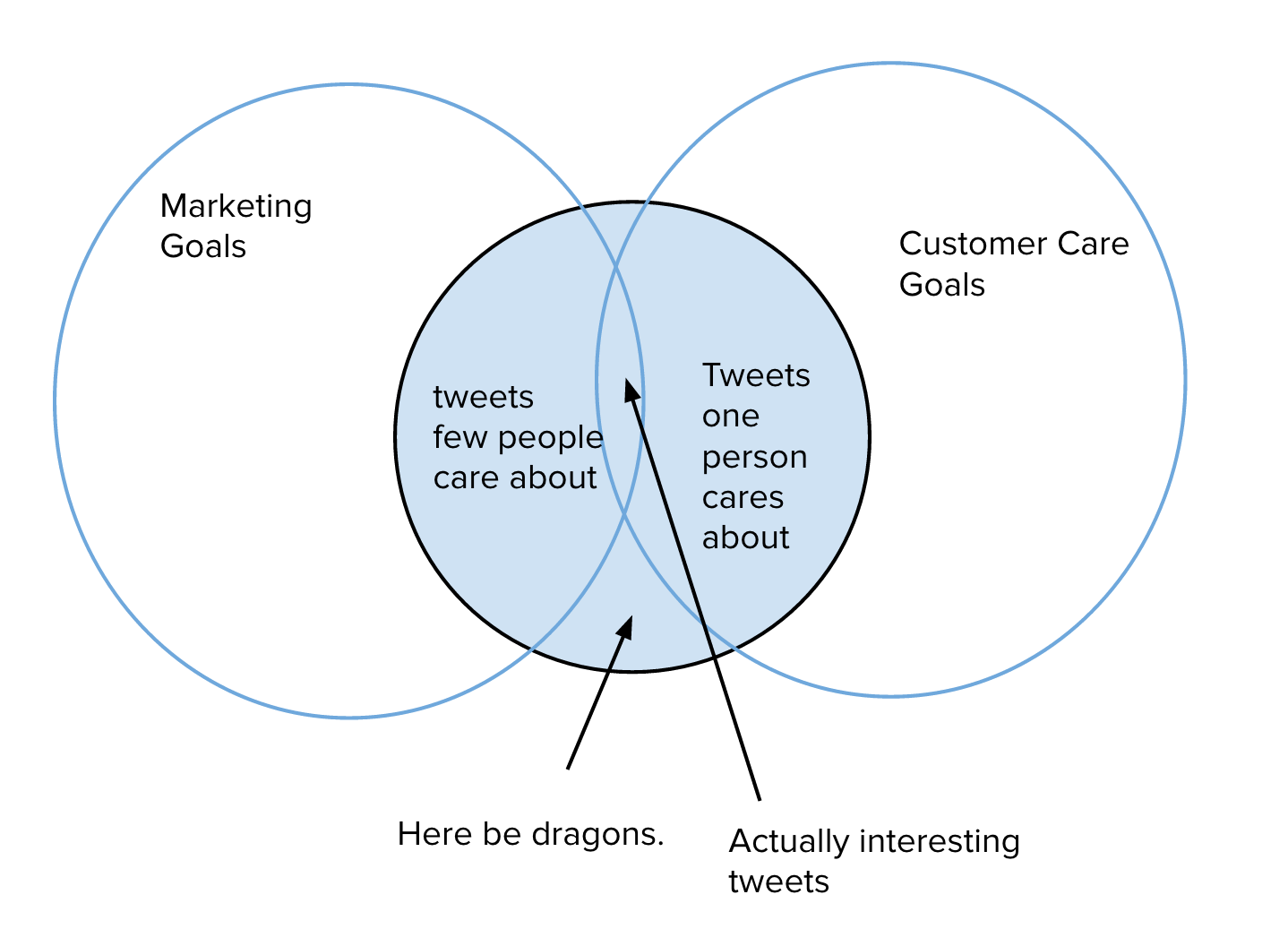
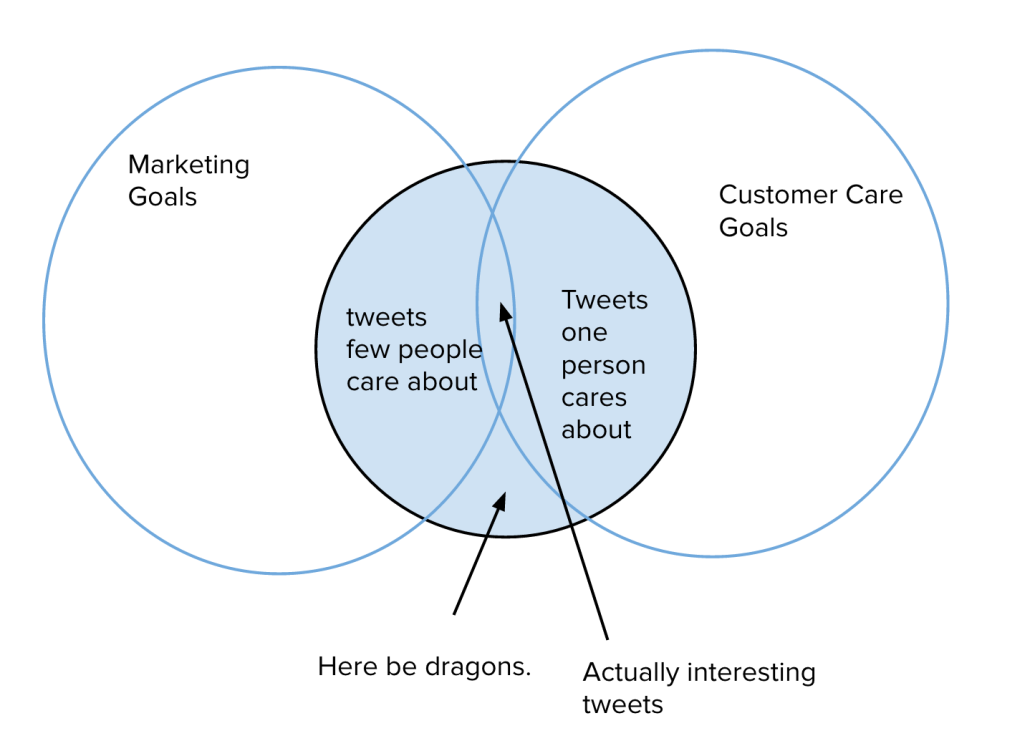
Community management in its many current forms, is a relatively new development in web business, and it means different things to different companies and industries. But at its base, it is a mix of marketing, branding, and customer service. As web businesses have built themselves around communities of users, leveraging their existing customer base to promote and sell their latest products, community management has emerged as a way of handling the concurrent interests of a company’s marketing, branding, and customer relationships in a more fluid way.

Whereas a tech company might in the past have needed dedicated sales, marketing, customer service, and Q/A departments all dealing with their separate domains, today many of these activities all occur in the same places online. If you are using Facebook and Twitter, along with email to announce a new product, the success of that announcement depends upon you having a strong following on those platforms- a base of users who are paying attention to what you say in all of those channels. That strong following depends on your community manager’s using that platform to provide value to your followers and users.

Below is a sampling of a Community Manager’s possible roles. Depending on the size of a company, the community manager may be the same person running sales and marketing for the whole company. If your company has a biz dev specialist, a marketer, and a sales specialist, then often the marketer will be responsible for community management as well, in collaboration with the other two. For larger teams that have customer service, Q/A, marketing, and sales teams, a community manager can be brought in as a role that bridges many of their individual responsibilities.


A Community Manager’s Roles
 

message

  1. Maintaining an Internal Community

The “Community Manager” role grew early on through message board admin roles. Today, a similar role is still played in online communities based around gaming, content sharing, and discussion. If your product has an internal community feature, it’s likely that a community management role will have to evolve relatively early on to manage the safety and stability of your internal community. Common jobs include maintaining an FAQ, being able to escalate and resolve user complaints, and enforcing the platform’s terms of use. The role may be filled by someone with a focus on customer service, rather than marketing.

  1. Social Media Outreach

For companies with a respectable base of engaged users, a community manager can encourage cohesiveness of its communities on social media, outside the company’s own platform. This role sits between customer service and marketing, with a good community manager also being familiar with the company’s Q/A processes, and being able to pass along valuable user-generated information on bugs and missing features in the company’s products.

The community manager in this role must be able to handle customer inquiries about sales, as well as handle simple customer issues, with the ability to escalate customer complaints to the appropriate colleagues efficiently, following up on the results to ensure satisfaction. In addition, the community manager has to use positive interactions to make impressions on the community, by, for example, sharing successful customer service interactions and positive reviews for the company and products with the community on social media, or by email. He or she may also currate and share chatter about company products from around the web on the company’s social media accounts.

The community manager controls the conversation: making sure that misapprehensions and rumors about your company and products are sorted out quickly, and don’t spread. Are people sharing a blog post bashing your company, full of false statements and innuendo? Your community manager should spot this, and provide the official line- taking steps to make sure that rumors and negative buzz don’t have any room to grow. At the same time, the community manager spots and promotes positive reviews and mentions of the product, so that they are seen by even more people. If you aren’t in the conversation, you can’t influence it.

Depending on the size of a company, this role may be shared with PR, and marketing, and the community manager may also be the company’s general head of communication, blogger, and marketer (such as in the case with Startupyard itself- I currently fill all of those roles at once). In other cases, this role may evolve from customer service, or from an internal community management role.

  1. Customer Advocate

One of a community manager’s most important roles is observation and intelligence gathering. As the person with their finger on the pulse of the company’s customers, the community manager should be able to deliver key insights into customer sentiment and behavior. They should be able to identify common problems and common positive feelings about a company’s products, and the company itself. They should also have some insight into the makeup of the company’s active community demographics: who are the users? What defines them as a group?

A good community manager should be able to tell a head of marketing what customers are most interested in hearing about, and what bothers them most about the company’s products. They should also be able to identify Q/A and UX failures, and to provide some insight into user preferences in these areas. They should be able to identify which competitors customers are most interested in.

Do We Need A Community Manager?

A friend of mine who is a producer for a very popular gaming company told me this recently: “Nobody needs a community manager, until they really need a community manager.” This is to say, if your intention is to grow a base of users quickly, and to leverage them to grow your community and public awareness of your products, you’ll need a community manager eventually. And that need will arise suddenly, and possibly unpleasantly, when you realize that a lot of people are discussing your products, and that you are not in control of the conversation.

Yours would not be the first company, for example, to receive a great deal of negative press over a particular failure (a bug, a privacy lapse, platform instability, or other issue), that could have been mitigated by the presence of a community manager. Suppose a journalist or blogger wants to write about your company, but the contact email you’ve provided isn’t read by anyone, and no one answers direct messages via social media? An article or blog post can go out without you having an opportunity to engage with it, and give your side of the story. Worse, an article can float around for days and weeks without you even noticing it’s there. When people are googling you, or checking Twitter, they’ll be getting information you don’t even know about.

Social CRM

Social CRM, or “Customer Relationship Management,” is a relatively new but rapidly growing industry. These are primarily tools for customer service and community management, increasingly focused on social media channels, but including sms, telephony, email, and community message boards as well. Today, a small to medium sized company can access off-the-shelf web based products for monitoring and engaging with their online communities, whether their primary focus is in sales, marketing, or customer care. In fact, StartupYard accelerated a Social CRM company called Brand Embassy, which is doing increasingly well in the customer care segment of Social CRM.

These products allow a single person or a team to monitor conversation across multiple social media channels and internal communication platforms (like email), and get a snapshot of all the conversations going on in a company’s community at any given time. They will let you know when your products or company are being mentioned, and where, and allow you to respond on multiple channels from the same place, allowing you to efficiently manage your community as a whole.

 

Meet Helena Nehasilová, StartupYard’s Newest Team Member

The StartupYard team is excited to announce another brand new member. Helena Nehasilová will serve as StartupYard’s much needed Administrative Associate. Her many duties will include facilitating the StartupYard accelerator program, helping to organize and run StartupYard events, and managing the StartupYard team’s hectic calendar and administrative paperwork. Her job for now is to support the StartupYard team, and keep us working efficiently and effectively. She will be a welcome asset to the team when it welcomes up to 10 new startups in March, and mentoring begins in ernest.

I talked with Helena this week about what uniquely suits her to working with Startups. Here’s what she had to say:


Hi Helena! Welcome to the team. Tell us a little about yourself.
Hello there! I am young life enthusiast. I am interested in startups, creative people, music and yoga. I studied at the Economic faculty of ČZU in Prague and worked in several offices as an office manager. After some time spent in the corporate world, I decided to create my own project (Office yoga) and do more “creative” stuff in my life. When I am not at StartupYard, I do yoga or play the piano in my band Lady Merlot.


So you have some experience as an entrepreneur? What have you learned from creating Office Yoga?

I can say that I do. I am happy that i didn’t give up on my dream, and tried to create my own project. It started from the idea of doing yoga and healthy stretching right in the workplace, as a new employee benefit, and continued with all the administrative “nightmare” of dealing with public offices (trade license, financial office etc.), then with creating a business plan, website, hiring good teachers, meeting all the business HR people, etc. I ended up with lessons and workshops in companies on a regular basis. I’ve learned so many things I wouldn’t have, had I only worked as an employee. I can also say that being an entrepreneur is not a picnic, but it is worth a try at least. The company is still going steady, but slowly.

unnamed-3

What makes you want to work with StartupYard?

I really like the atmosphere of startups. It’s a “fresh” environment full of really interesting ideas and projects. One can be really inspired, not only by the dreams which can become real, but also by the remarkable and smart people. It’s a pleasure to work in this area, with such people.
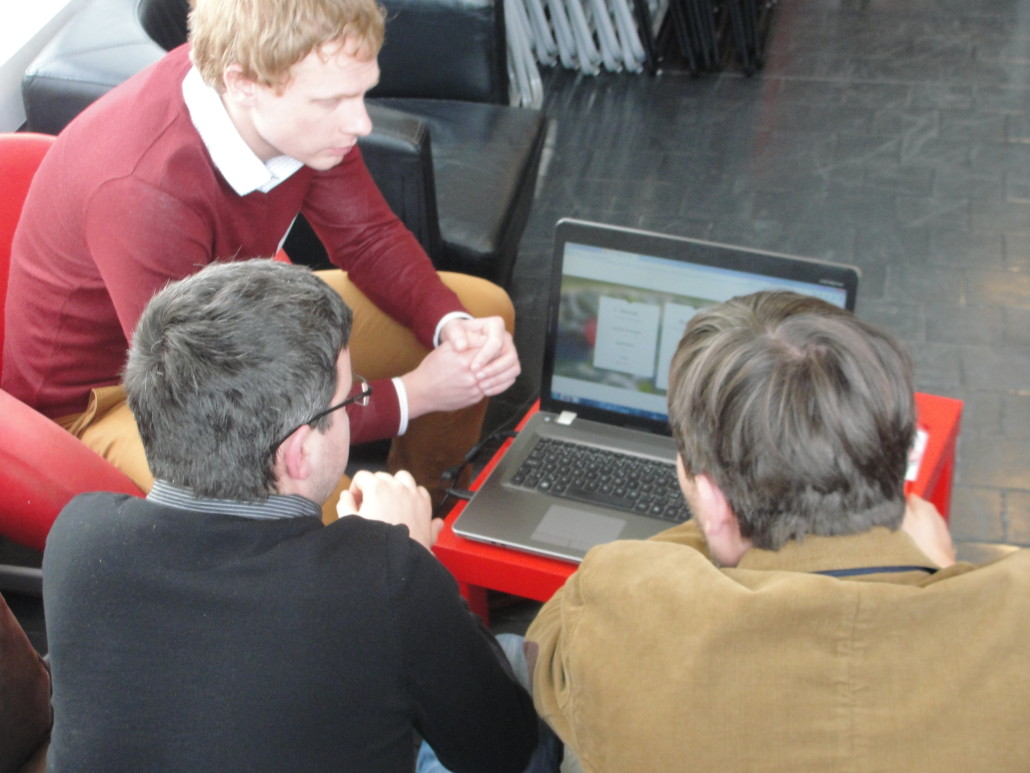
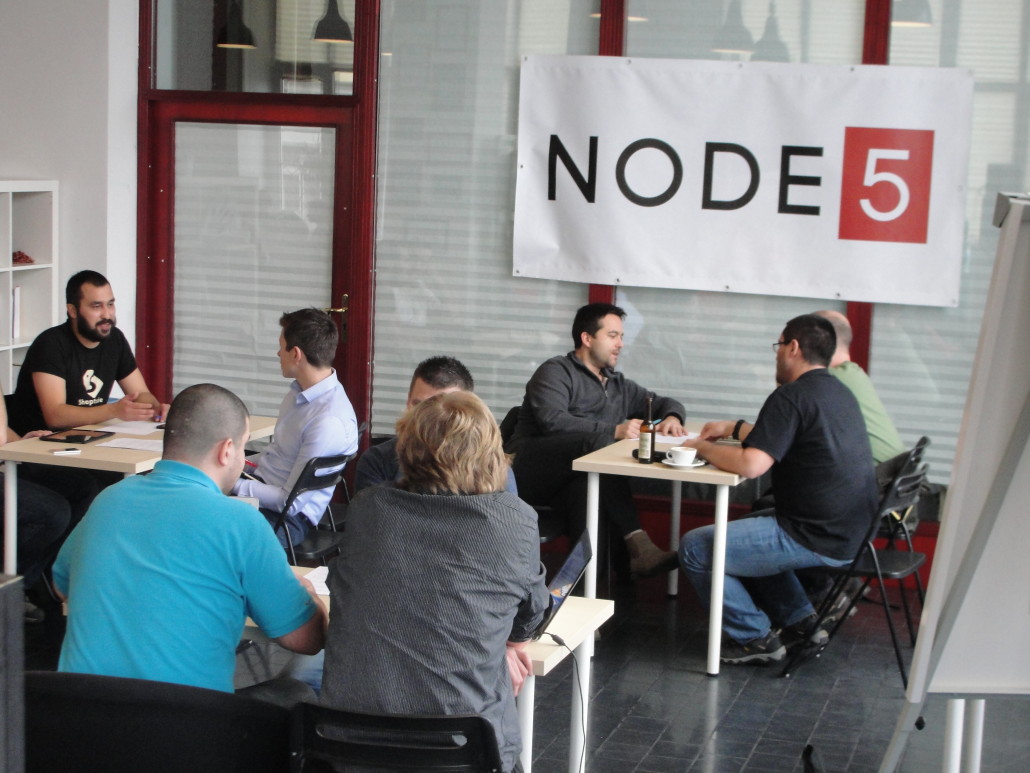
I also really love the atmosphere at Node5, where we started working this month. The people here and the Node5 team have been really welcoming and friendly, and it’s a great location, so I think our incoming startups will really enjoy being here.
 

What do your friends think about you working in “Startupland?”

They are really excited about it. Some of them envy the friendly and smart environment of “Startupland”. Definitely better than working for some “fossilized”, boring, non-creative public office. Some of them appreciate that my work is part of something bigger – not only myself or StartupYard, but we help other people, to grow their ideas into real and working projects and companies.


You grew up in Prague, unlike most of the StartupYard team. How have things changed here since you can remember? What has changed for the better, or the worse?

I can see Prague is becoming a more metropolitan and cosmopolitan city, but it still holds on to the hallmarks of a unique place in the heart of Europe. It is more open to foreigners (more people can speak English, more services are available in English) than before. These days there new communities of expats are still forming; local art areas with small and pleasant cafes, bars and pubs, coworking places, creative people or LGBT groups. I think the city is more open to new trends, styles and unusual activities. I can’t say anything has become worse, except for the politics. Maybe the prices have increased, but in comparison with the rest of the EU, it is still super cheap here.


How do you hope to positively influence the StartupYard program and the teams when they arrive?

I think I am a really friendly, open-minded person and I like meeting new people. I hope I will charge up the teams with my positive and welcoming attitude. Don’t worry, there won’t be just hard work. You can look forward to fun and relaxing activities. I am looking forward to all the teams! Can’t wait.


What about this type of work seems like the biggest challenge for you?

The biggest challenge for me is to arrange the smooth running of all the workshops and events organised by StartupYard and also organization of our future teams and mentors. But I am sure it will be fun and I am really excited about that.


Hacking the Prague Life, Part 2

Quality of Life Metrics: Prague leads Central Europe


Last year we posted a somewhat controversial piece about why we thought Prague was the darling of Europe, and the best place, for our money, to live the Startup Life. And honestly, our assessment has nothing to do with hookers, despite some reactions. Today, we’re going to revisit that opinion (about Prague, not hookers), and expand upon it with some more detail.

Prague is only the 14th largest city in the European Union by population, just behind Milan and Munich. Though it’s much smaller than places like London, Paris, and Berlin, with just over 1 million in population, several quality of life metrics rate it as one of the best cities, in the world, to live in, and it is routinely ranked the best in all of Central and Eastern Europe.

Transport

Screen Shot 2015-01-12 at 3.17.00 PM

According to the European Commission report on perceived quality of life, Prague rates alongside London and Paris for its transportation system. The modern, 3 line Prague Metro is the most widely used, per capita, in the world, and its tram network is also the most heavily used in Europe, second only to Zurich, with total patronage numbers rivaling the larger systems of St. Petersburg and Budapest. Prague transport is also a trend-setter in technology, first with the world-renowned classic Tatra T3 trams that have been copied and exported around the world, and lately with the Porsche-designed Skoda 15T, which is being exported to China, and is already also in use in Riga. With over 800 active rolling stock, it is one of the densest, and most accessible tram networks in the world. And operating 24 hours a day, it can get you anywhere in the city that you need to be, and is usually as fast as taking a cab.

Add to that the cost of transportation to the consumer. Prague transport operates on a unified, open ticketing system, with tickets available by sms, or through machines. A single trip costs about one Euro, 30% less than average for systems in Germany or France, with over half the total real cost covered by the city. Monthly all access passes are priced at just 20 Euros, making transport a fraction of the expense it is in other capitals like Berlin, Paris, and London.


Employment and Entrepreneurism

Screen Shot 2015-01-12 at 3.23.01 PM

The above study also showed that employee confidence is the 3rd highest in Europe, with 56% of those surveyed saying that finding a job in Prague is easy. The city employs a stunning 150,000 foreign workers, nearly a quarter of the worker total, and over 80% of total jobs are in services. Eurostat research also shows that Prague ranks 5th in Europe for GDP per capita, at 172% of the EU average.

The low cost of living and high quality infrastructure has translated to a haven for entrepreneurs from across Europe, who come for the snappy local economy, and stay for the low cost of good living that is hard to give up.

Self-employment in the Czech Republic is also straightforward, and taxes and regulation on independent contractors are light, and lightly enforced. While the biggest obstacle to gaining employment here is the language, international workers, particularly in tech, find that to be a minor issue, as English is the official language, or a lingua franca, for virtually all international firms, and an employment requirement in most tech jobs.

This makes hiring local workers, such as marketers, software engineers, and IT workers exceedingly easy and painless for small companies, giving employers a great amount of flexibility in finding great local talent.


Crime

Screen Shot 2015-01-12 at 3.24.13 PM

According to statistics compiled by Numbeo, which tracks visitor perception, Prague has one of the lowest crime indexes in Europe, on par with Helsinki, a full 10 points below London, and 20 points below Paris. Users rate Prague as safe or very safe for walking alone in at night, and the biggest perceived criminal problem in the city is corruption- an issue that extends more into politics than it does local business or the tourist trade. The Czech Republic boasts a murder rate of just 1 per 100,000, which is the same as the UK, less than 1/4th that of the United States, and 1/10th that of Russia.


Culture and Food

Prague is well known and appreciated for its amazing variety of good eats, good beer, and a wide selection of places to go for just about anything. The cottage industry of local food blogs is testament to the vibrant gustatory scene, and a highly decent lunch can be had for as little as €5, with a world class half-liter of beer coming in at around €1.

Screen Shot 2015-01-12 at 3.25.31 PM


Housing In Prague

 I won’t attempt a definitive neighborhood guide to Prague. But I’ll give you an idea of what some of the living options are. For those who will be attending our program in 2015, I will mark locations convenient to our offices (either by transport or nearby), with an asterisk (*).

Old Town: Prague 1

Screen Shot 2015-01-12 at 3.06.57 PM

The old town comprises several neighborhoods, on either side of the river, close to the central, historical part of the city. Here you will find most of the high-end restaurants, theaters, bar/clubs and hotels in the city. The sections of Old Town that surround Old Town Square, at the heart of the city, are usually swarming with tourists, and are, at least in my opinion, unattractive for day-to-day living. They are also expensive, and transport is crowded and difficult.

Screen Shot 2015-01-12 at 3.07.38 PM

The neighborhoods of Mala Strana* (the “small side”), are those across the river from the old town. This is traditionally the haunt of the city’s best known writers and artists of ages past, and today it hosts a number of the best cafes, wine bars, and theaters in the city. The area is also host to a number of foreign Embassies, and has a high concentration of art galleries and museums, including the Museum Kampa, the modern Art Museum in Kamp Park, along the river. Here can also be found the city’s only funicular railway, at Petrin hill, which offers beautiful views of the castle and the city. Many parts of this neighborhood are very attractive for living, including those blocks which connect Mala Strana with Smichov, between the Ujezd and Svandovo Divadlo tram stops. Mala Strana is connected to the old town via Charles Bridge.

New Town: Prague 2*

Screen Shot 2015-01-12 at 3.08.08 PM

New Town, or “Nove Mesto,” is an area that includes a series of neighborhoods from the lower edge of Old town, down the right bank of the Vltava river. Some important areas here are Na Plavka, the riverside embarcadero that hosts a thriving farmer’s market in warm months, and Karlovo Namesti, one of the largest open public squares in Europe. This area also contains Prague’s second largest Castle, Vysehrad, which is ideal for walking and relaxing, with idyllic beer gardens and paths. The area also has one of Prague’s best swimming facilities, Podoli, where the Czech national swim team trains, and which is open to the public. Areas such as Palackeho Namesti, Vysehrad, and Vyton are very attractive for living, with easy transport to the center, and plenty of good dining opportunities.

When looking for housing, you’ll find more attractive rents and larger flats in these neighborhoods. I lived in this area for 5 years myself, and fell in love with it.

Vinohrady and Zizkov: Prague 2 and 3

Up the hill to the east of New Town are the neighborhoods of Vinohrady and Zizkov. Historically cheaper areas, these neighborhoods have been consistently popular with foreigners, and have a wonderful home-grown feeling cafe culture. Vinohrady between Italska street and Riegrovy Sady (a park with an unparalleled set of beer gardens), is traditionally the gay quarter of Prague, although clubs and bars catering to LGBT customers have also migrated more and more towards the city center in recent years. Further up the hill, Jiriho Z Podebrad is an area that has much improved in recent years, and is known for a lively alternative club scene. Lower Zizkov, the area that reaches up the hill from the central train station, Hlavni Nadrazi, is a traditionally seedier and cheaper part of town, where low rents mix with bars open until very early in the morning.

The Vinohrady and Zizkov will offer attractive rents in comparison with more central areas, and have a great variety of things to do. Transport connections there are generally pretty good as well.

Letna and Dejvice Prague 6 and 7

On the other side of the river, and to the north of Mala Strana, are the areas of Letna and Dejvice, which are generally seen as quieter, more established, and family oriented districts. When my wife and I started a family, for example, these are the areas in which we looked for a place to raise children. The Dejvice area is also thick with foreign Embassies and diplomats, including the enormous Russian embassy, and the US Ambassador’s residence, which would probably embarrass most heads of state for its size and luxury.  Still, if you like parks, quieter restaurants, high end shopping (gourmet foods, wines and foreign shops) and a more local atmosphere, these areas can be ideal.


Smichov: Prague 5*

A traditionally industrial area to the south of Mala Strana, Smichov has developed into a vibrant business center in recent years. Still the home of several of The Czech Republic’s largest breweries, it is built up around a large train interchange. Seznam, Google, ING, and other international firms have their homes in Smichov, and the area offers corporate apartment living on a monthly basis, and has a high concentration of business-travel hotels. It is not, strictly speaking, the most attractive area in the city, but it has convenient shopping, and a number of very good restaurants around the Andel area, where Node5 and StartupYard are located.

Housing here is generally cheaper than in the center, with some higher priced offerings closer to Mala Strana. Transport to the city center via metro is not terribly inconvenient from this area, although night transport can be difficult, as night trams (after midnight) are less accessible than in other areas.

Screen Shot 2015-01-12 at 3.11.29 PM


Housing Via Social Media:

Several busy Facebook groups serve the Flat-Sharing and rental market in Prague, and these may offer the most convenient short term options for housing.

https://www.facebook.com/groups/bydlenipraha/

  • a Czech language flatsharing group

Flatshare in Prague

  • an international flatsharing group

You can also find answers to simple and complex questions from groups like:

Expats in Prague

  • an expat focused community board for Prague

CrowdSauce

  • A question and answer group for anyone in the city


Photo Credits Via Flickr: Jan FidlerRoman BoedThomas DepenbuschBrad Hammonds, and Ian Zakharov

Philip Staehelin: StartupYard’s New “Executive In Residence”

Anyone in the StartupYard community is probably familiar with Philip Staehelin, who we profiled recently on this blog. Well today, we’re very excited to be able to announce that Staehelin will be joining the StartupYard team officially, as our new “Executive in Residence.”

As accelerators have evolved in recent years, and as StartupYard has grown to encompass more international projects, and helped its startups to secure investments, the need for such a position has been made abundantly clear. As Executive in Residence for 2015, Staehelin will be more than just a mentor to the StartupYard 2015 cohort. He will be a model of an executive for the startups that join the accelerator, and he will take personal initiative to provide valuable, responsive leadership and advice on an ongoing, personal basis with the StartupYard teams. He will compliment and enhance the mentorship that teams will receive throughout the program, and help the startups to follow through on their goals.

Staehelin listens to pitches at December's StartupYard pitch-off.

Staehelin listens to pitches at December’s StartupYard pitch-off.

We believe that Philip is an ideal candidate for this position, not only owing to his stellar resume, and his long experience as an expatriate in The Czech Republic, but also for his valued prior contributions to StartupYard mentorship. Continuity of the StartupYard experience for our alumni and current mentors is an important focus of the accelerator in 2015 and beyond. We must become a resource that continues to support and advocate for the startups that we accelerate, long after they leave our program. A team member whose sole responsibility is the teams themselves, is our answer to that challenge. Staehelin is the man for the job, and we are happy to welcome him to the team.

I caught up with Philip this week, and asked him to comment on how he sees the role he will play going forward. Here is what he had to say:

Why do you think an Executive-in-Residence is an important asset for StartupYard? 

StartupYard is a fantastic accelerator, with an experienced inhouse team and a great assembly of mentors. However, while serving as a mentor for last year’s intake, I felt like some of the startups would have benefited from a bit more “outside” guidance at various stages of the program – not just during the early mentoring sessions. Although it wasn’t part of my mandate, I followed up with a number of the startups during the last few weeks of the program, and when I offered my help to review/critique business cases, business plans, pitches, etc., the offer was always immediately accepted. So… working together with the StartupYard team, we developed the concept of Executive-in-Residence (EIR) that fills this gap on a more formal basis. The startup teams can approach the EIR at any stage of the program and get the help they need to get them to the next level. The StartupYard EIR will also take a longer term perspective, and serve as an external advisor to the teams moving forward – well beyond the timeframe of the actual accelerator program. This will be helpful in making sure the startup teams still have access to assistance as they meet future challenges as they strive to become profitable companies. And finally, the Executive-in-Residence is a new concept for the Czech (perhaps even European?) accelerator landscape, and it should help to differentiate StartupYard from the competition. By substantially increasing a startup’s chance of becoming a viable company with a bright future, StartupYard itself will be able to attract more and more top startups from around Europe to participate in its accelerator program. It’s a win-win-win.


How do you plan to impact the development of StartupYard teams in 2015? 

I’m super excited to pilot the Executive in Residence concept for StartupYard, and to help the 2015 teams to reach their dreams. But before we get to that stage, I’m involved in the startup team evaluation process, and along with the other expert evaluators we hope to pick 10 startups that have the best shot at making the transition to high growth companies. Once we kickstart the 2015 class, I’ll be engaged as necessary – trying not to get in the way of the flow, but making sure teams don’t get stuck along the way. I’ll work with Cedric and the team to identify the early needs of the startup teams, to challenge them on their strategies, to help them digest the messages from mentors, and generally give them helpful advice at the right time during the program. I want to pass along helpful tips from my real life business experience (which ranges from multinational corporations to startups to NGOs) as well as the insights I gained through many years of top management consulting. Some teams may leverage my experience early in the program, and others only when they start looking to approach investors near the end of their time in the program. There will certainly not be a “one size fits all” approach as the teams will differ tremendously in terms of their stage of development, their skill sets, and their experience. My rule of thumb will simply be: if I can help, I will.