


For the second time in a matter of a few weeks, StartupYard is very pleased to announce that yet another StartupYard alum, SY 2016’s SpeediFly, has raised 308,000 euros in seed investment from Czech startup investor Petr Zamecnik.
Congratulations @SpeediFly raising 300K from Czech investor Petr Zamecnik via @startupyard Share on XThis is Zamecnik’s second investment in a StartupYard startup- it follows the recent announcement of his involvement with BudgetBakers’ (SY 2015) comparatively sized funding round. The investment includes follow-on financing from StartupYard, in the form of an equity-free grant, supplied thanks to the European Commission’s FIWARE Accelerate program.
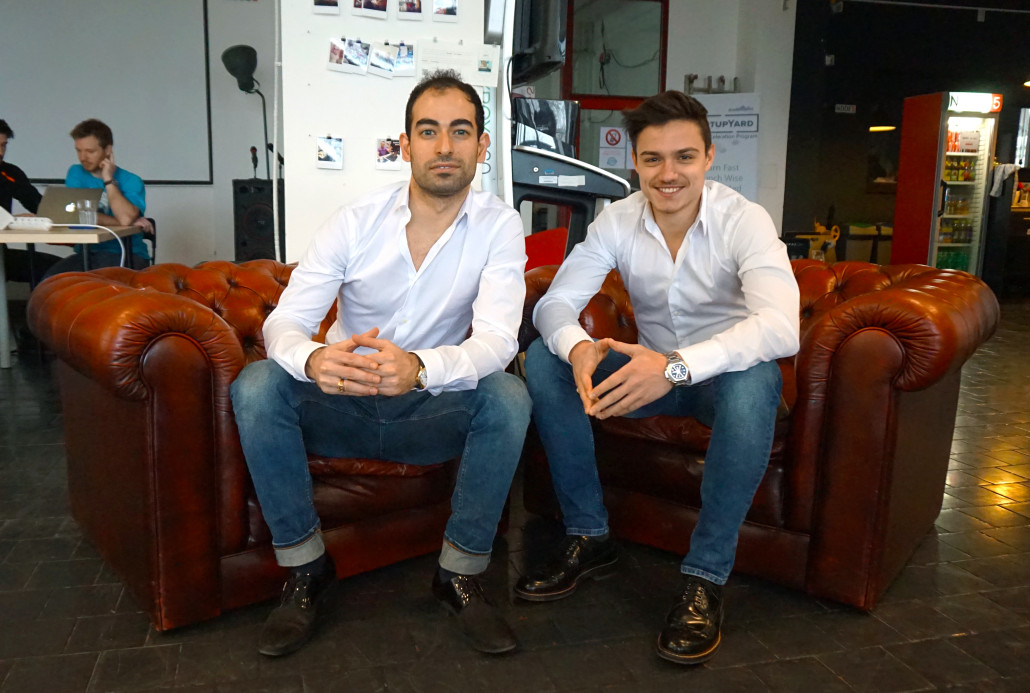
Co-Founders Alex Karadjian, and Stoyan Dobrev
The team, which will work from both London and Sofia, Bulgaria, has launched a private beta in London, where it acquired its first customers in April this year. SpeediFly is a mobile-first travel platform that aims to make booking a last minute flight, even as a group, as easy as sharing a ride on Uber.
The funding will be used to expand the Bulgarian development team, and launch SpeediFly in several European markets, including London, and other major travel hubs.
The team also plans to develop the social travel aspects of the platform, as well as interest based travel recommendations that will allow travelers to combine their favorite activities with the best last-minute travel deals.
Currently in beta for iOS, SpeediFly also plans to expand to Android and the web. The new funds will also be used to expand the platform’s smart recommendation and group booking systems, two core features that will differentiate the startup from other entries in last-minute travel.
Our own Managing Director Cedric Maloux said of the investment round: “It’s not every week that two great companies from our portfolio get the financing they deserve. Zamecnik has made two smart and gutsy moves with these two startups [BudgetBakers and SpeediFly], and we hope that his peers in the region and abroad will take notice.”
Also commenting on the investment was SpeediFly’s Co-Founder and CEO Alex Karadjian, who said: “this will help us scale super quickly and go to new markets, but what is even more exciting to me, at least at this early stage, is the natural bond our team has had with Petr from the very moment we met. Petr’s fast-moving style as an investor and businessman perfectly aligns with the spirit of our team and with our concept- which is all about spontaneity and fun. I am sure this is going to be a great journey together.”
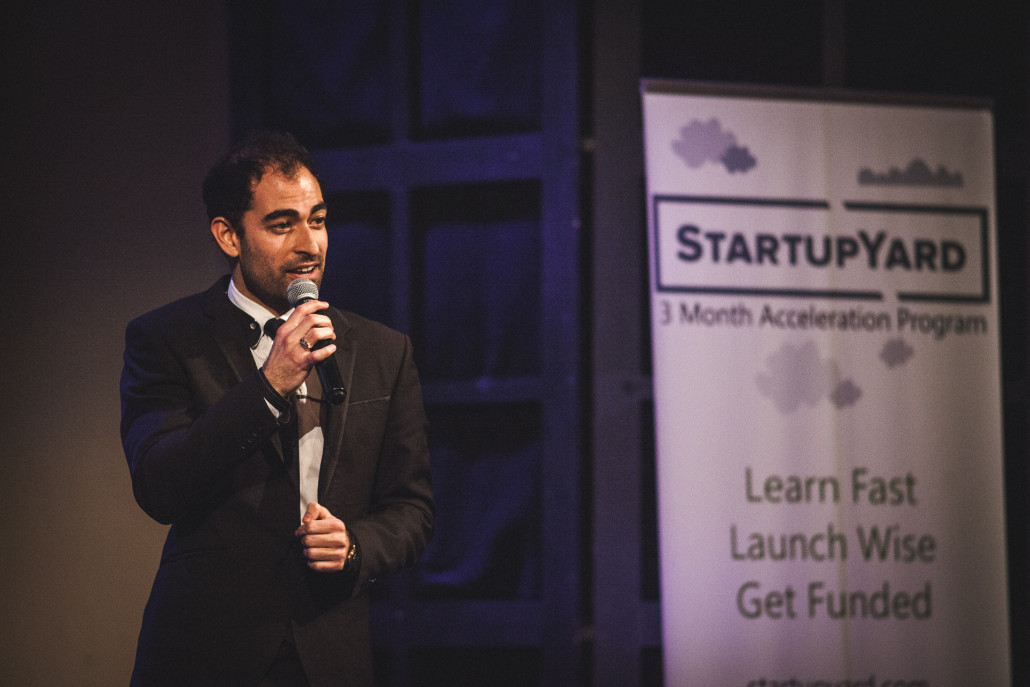
Alex Karadjian of Speedifly talks about social, spontaneous air travel at StartupYard’s 2016 DemoDay
SpeediFly was founded in late 2015, and joined StartupYard in 2016. It aims to be the market leader in mobile-first, social, last minute travel. In the UK alone, the company estimates that there is an untapped potential of 10.2 billion Euros in the last minute travel market. In addition, 56% of European travel searches for last minute bookings are for groups of 3 or more- while none of the major meta-search engines specialize in group bookings, social features, or shared payments.

We are incredibly pleased to announce that StartupYard 2016 team Neuron SoundWare, has won the prestigious competition Napad Roku. Napad Roku is put on by Vodafone Foundation to find the best ideas from Czech and Slovak startups, and bring them onto the global stage.
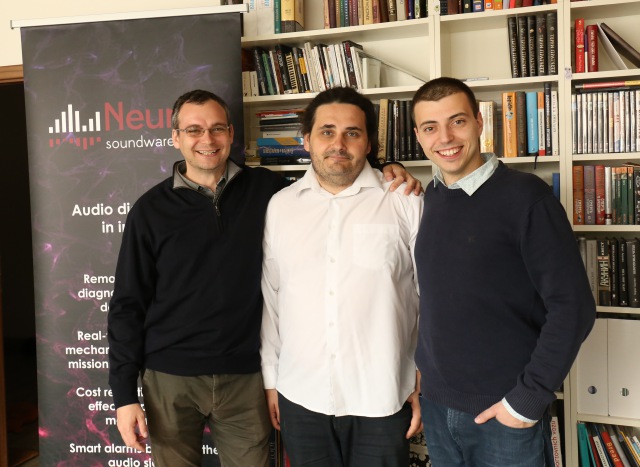
The Neuron SoundWare Team: Photo by Forbes.cz
Also among the top finishers was our own Salutara, enabling medical travel worldwide. This win represents yet another in our alumni’s series of recent successes.
The prize includes 300,000 CZK (11,000 Euros) from Vodafone Foundation, additional funds for legal services, and new tablet computers.
Neuron Soundware, led by Co-Founder and CEO Pavel Konecny, won out against over 170 competing startups. The company is building a framework for neural networks to understand, learn from, and process sounds. As reported by Forbes recently This will enable their technology to, for example, diagnose technical problems in heavy machinery and sensitive hardware, including such things as 3D printers, car engines, and air conditioning systems, among much else.
The technology can also be applied to the voice: at StartupYard’s recent DemoDay, where Neuron Soundware premiered the pitch that won at Napad Roku, Konecny demonstrated how a neural network could listen to, and then perfectly reproduce a human voice, opening up the possibility of using natural human voices instead of computer generated voices in any range of applications, from call centers to robots. The technology also makes manipulation of the voice possible, changing accents, inflections, emotional tone, and much else.
This opens possibilities for the NeuronSoundware team in a wide range of industries, from AI personal assistants like Viv, to industry 4.0 and distributed “contour” manufacturing technology, where more and more products will be fabricated in smaller factories, closer to their destination markets.
Congratulations to Pavel and the whole NeuronSoundware team!
 Pavel with CoFounder Filip Sedlak
 Pavel Konecny, CoFounder and CEO


It’s our great pleasure to confirm today that BudgetBakers, a StartupYard 2015 alum, has raised a combined €290,000 in seed funding, from investor and gaming magnate Petr Zamecnik and former CEO of HomeCredit and GE Money, Ivan Svitek. Along with the funding round, BudgetBakers also announced, via Lupa.cz, that Michal Kratochvil, former Director of Accenture in Central Europe, has joined as the startup’s new CEO.
The team, formerly led by Jan Muller, who will remain as the company’s CTO and product manager, plans to roll out a full-featured personal financial management suite in 2016, accessible via web, Android and iOS, and has announced a series of integrations with partnering financial institutions, allowing its users to access their various financial services in one place. They will be capitalizing on new EU initiatives which encourage banks to integrate more closely with 3rd party finance and e-commerce platforms.
Since 2015, BudgetBakers has surpassed 1,000,000 downloads on Android, and is ranked among the most popular products in the AndroidPlay store for budgeting and expense tracking.
Michal Kratochvil brings decades of experience in banking to his new head role at BudgetBakers, where he intends to push the company towards closer cooperation with consumer banking in Europe, and worldwide. On his new position, he said this week: “I’m pleased not only at the opportunity to lead a dynamic startup in a whole new and unexplored business, but also to bring my years of experience working with banks to bear in helping BudgetBakers forge new partnerships, and create amazing customer experiences in personal finance.”
StartupYard Managing Director Cedric Maloux was also pleased at the news of another in a series of recent successes for the accelerator, saying: “When we accelerated BudgetBakers in the Summer of 2015, they already had a very promising product with a large number of installs, but close to zero revenue. After 3 months at Startupyard, [BudgetBakers Founder] Jan Muller and the team focused on building a strong business model and B2B distribution channels. Today’s announcement is a confirmation that this work is paying off, and Michal joining as CEO is just going to put them into a new gear.”
We want to take this opportunity to congratulate Michal, Jan, and the whole BudgetBakers team on this big step towards realizing their goal of becoming an indispensable part of personal finance for people all around the world. Way to go!

“We are on the edge of change comparable to the rise of human life on Earth.” – Vernon Vinge
Last week, StartupYard managing director Cedric Maloux spoke about “Exponential Innovation” at the “What About Innovation” meeting of the American Chamber of Commerce in Pristina, Kosovo, on the invitation of StartupYard alum Gjirafa.
The talk dealt with a simple, but broad based question: Is Exponential Innovation an Opportunity or a Threat to Society?
The talk proved to be very popular, and raised ideas that the StartupYard team felt should be explored in more depth. So, during spring and summer 2016, StartupYard will be working on a series of blog posts around this topic.
The central premise of our series on Exponential Innovation will be this: exponential growth in the complexity of technology, reflected in increasing computing power and capacity, the explosion of data and increasingly complex and powerful material sciences, is a reality in our society, and will have an ever increasing influence over society and the world economy for the foreseeable future.
“What role will humans play in a society where most existing jobs can be done more efficiently by machines?”
“Is the current 40 hour model of work-based employment viable going forward?”
“What will be the roles of work and employment in the near future?”
“Which jobs are immediately at risk? Which ones are at risk long term?”
“What will be the role of education in a world where intellectual labor is increasingly automated?”
“How will innovation change the role of money in our lives, as the need for a traditional workforce decreases?”
“How will governments and societies adapt to rapid advances in artificial intelligence, and its growing role in business decision making?“
For centuries, conversations around technological progress have been surrounded by, on the one hand, fear and apprehension about change, and on the other, excitement at the prospect of a better, happier, safer and more fulfilling life.
The world in the midst of the industrial revolution in 1840, and the world of 2016 are very different places, and yet these dual feelings of apprehension and expectation have not changed. In both eras, automation is viewed as both a threat and a deliverance. But whereas the industrial revolution replaced much routine manual work, the current technological revolution will replace many non-routine cognitive tasks.
At the same time, many of our startup founders and mentors express a certain fatalism about innovation. They say, in one form or another: “The robots will take our jobs, and so you’ll either have to own the robots, or you’ll have nothing.”
Is that really the case? Is it the inevitable outcome of rapid innovation?
Then, as now, governments and society had the capacity to evolve the function of money, ownership, and work to adapt to a changing technological reality. We are already seeing a rise in extreme political movements, from the mid-east to the Americas, fueled in large part by the diminishing role of the middle class in the new economy.
Will we see political changes as profound as those of the industrial revolution in the near future? Will innovations like Universal Basic Income (UBI), become essential elements of the new, post AI economy?
The primary purpose of this series will be not to argue in favor of one particular view of modern society, or to espouse one particular political or economic agenda. Instead, it will be to inspire conversations about pressing topics for the many millions of people, in Europe and around the world, who are facing a future that they find difficult to understand, and even harder to predict.
What are we, as workers, as entrepreneurs, as citizens, or as members of society and actors in our economy, working towards? What future are we building for ourselves? These questions are highly relevant to the work of StartupYard, and to every one of our members, alumni, mentors, partners, and investors, as well as the millions of people who will be touched by the technology we invest in, and help to foster.
Last week, the StartupYard team, our 2016 startups, and over 70 of our mentors were honored by a special gala dinner, hosted by the French Ambassador to the Czech Republic, Jean-Pierre Asvazadourian.
The event which included several speakers, a dinner and a reception, and was sponsored by Komercni Banka, Mazars, and Roland Berger, Cedric Voight of Ballou PR gave the keynote remarks. Voight spoke about the importance of storytelling for both startups and corporations, and on the need for corporations to foster innovation in their own regions. Ballou PR is a major PR firm based in Europe, founded by Colette Ballou, with current and former clients such as Facebook, Ebay, Pinterest, and Waze.
Among the speakers were also StartupYard mentors Philip Staehelin, Managing Partner of Roland Berger in Prague, Albert Le Dirac’h, Chairman of KB Bank, and Carlos Meza, representing Mazars.
This event was planned in cooperation with our partners as a thanks to our incredibly dedicated and helpful group of mentors, over 70 in all, who took part in mentoring our 2016 cohort of 9 startups.
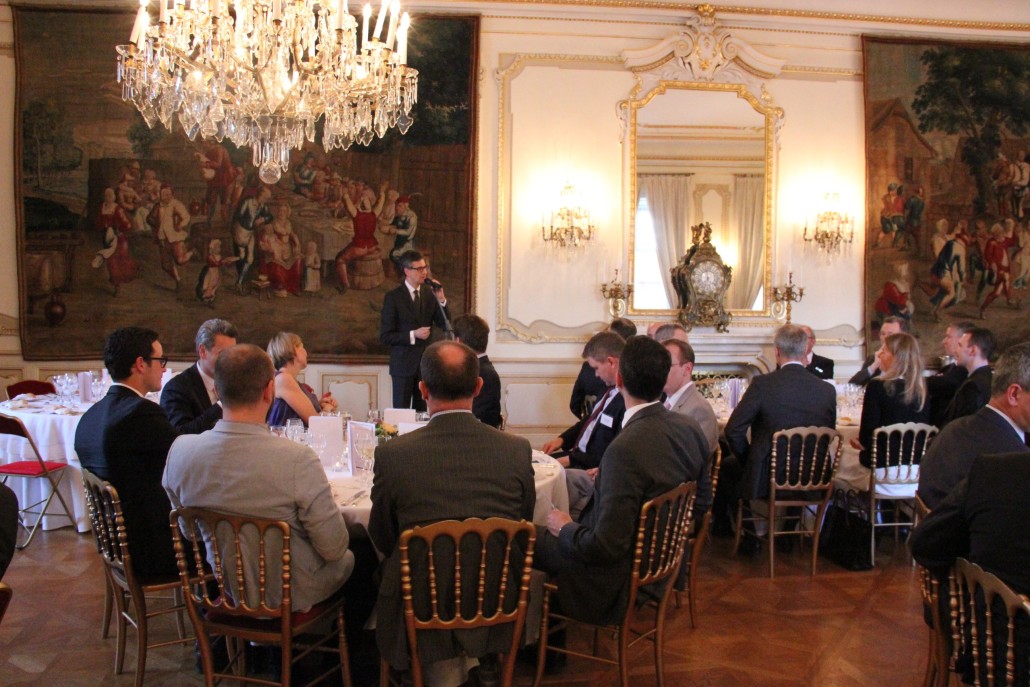
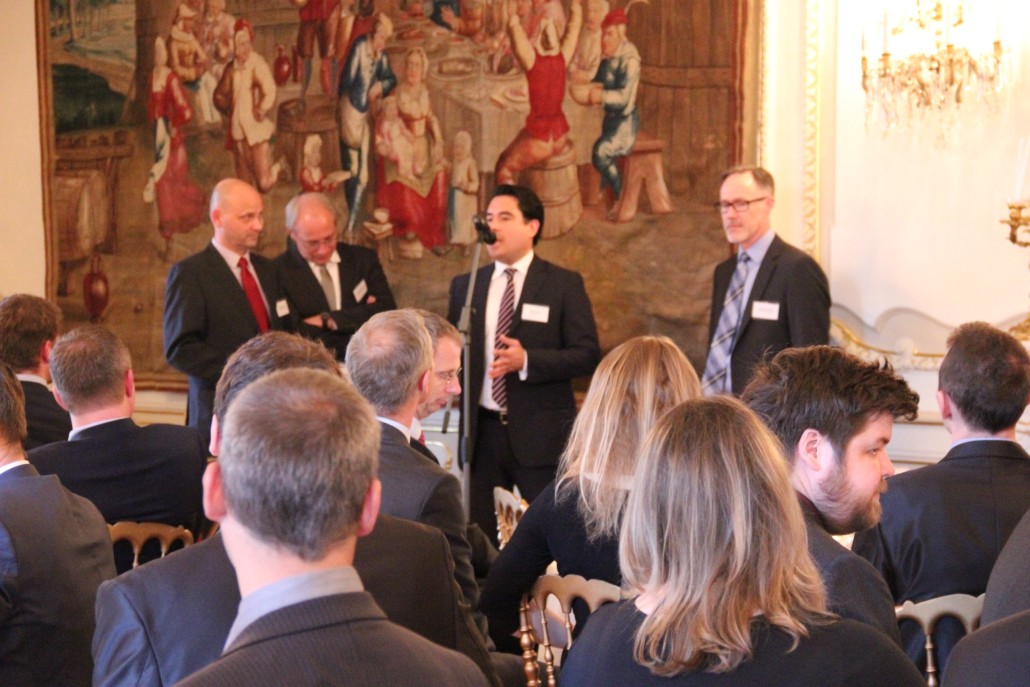
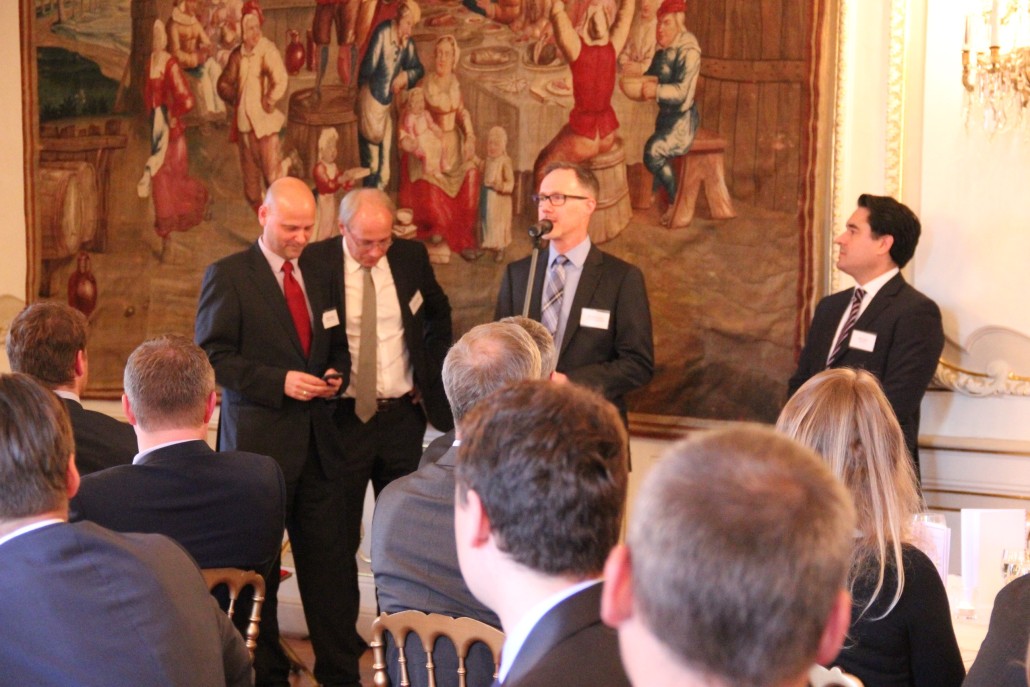

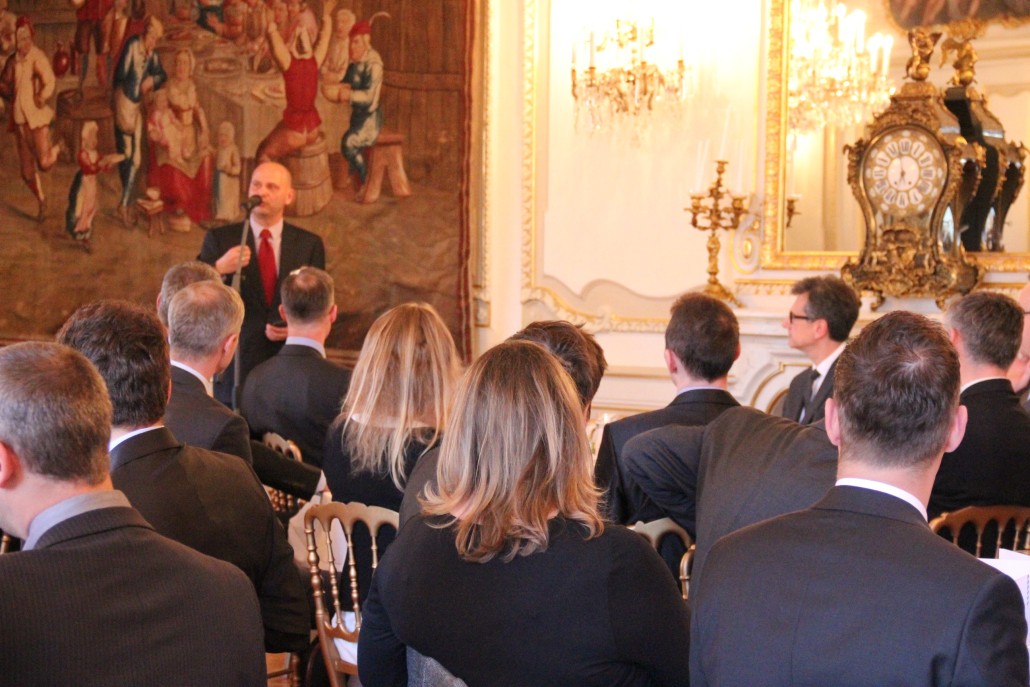
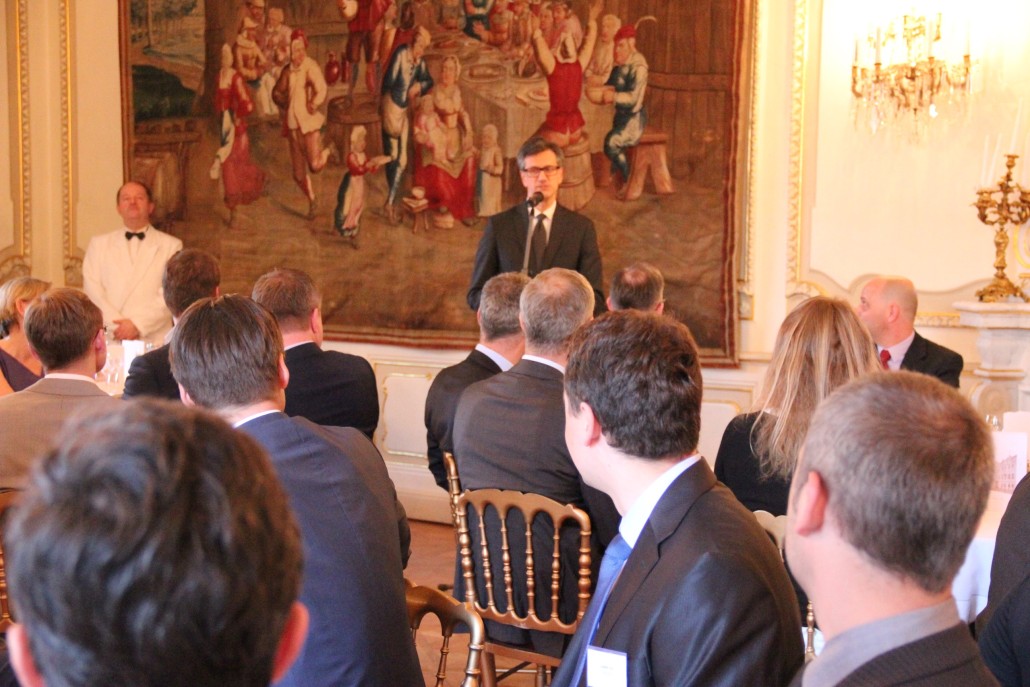
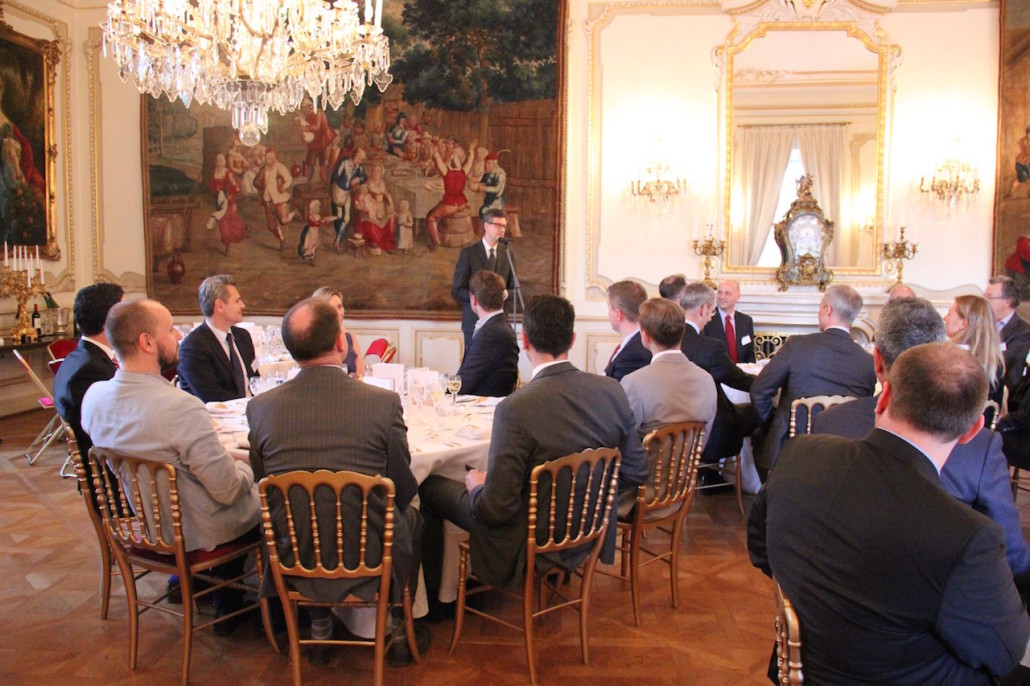
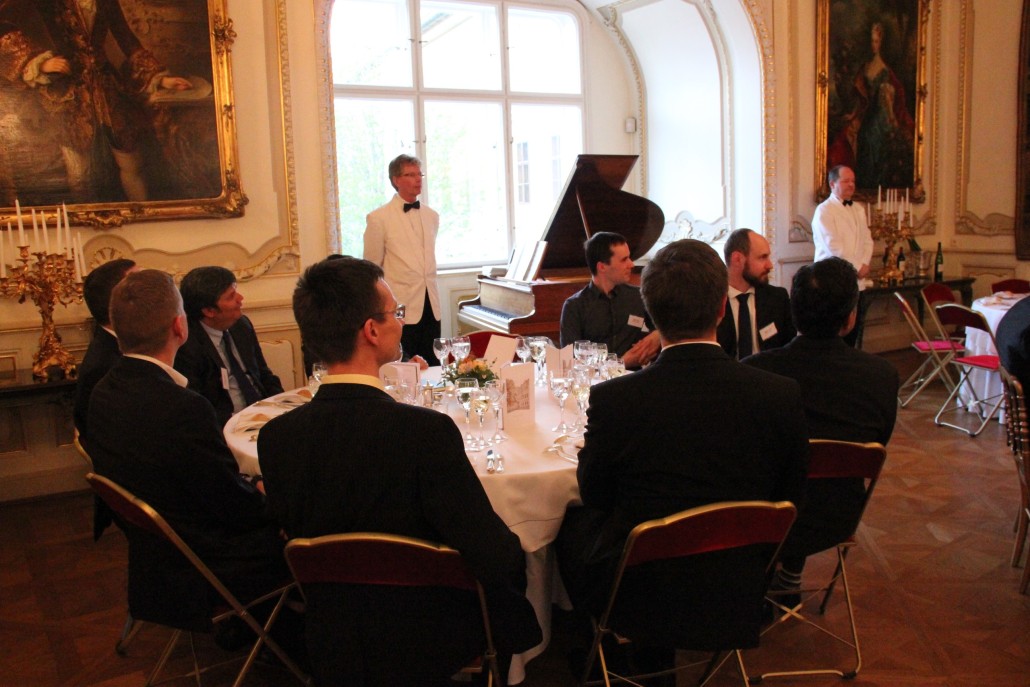
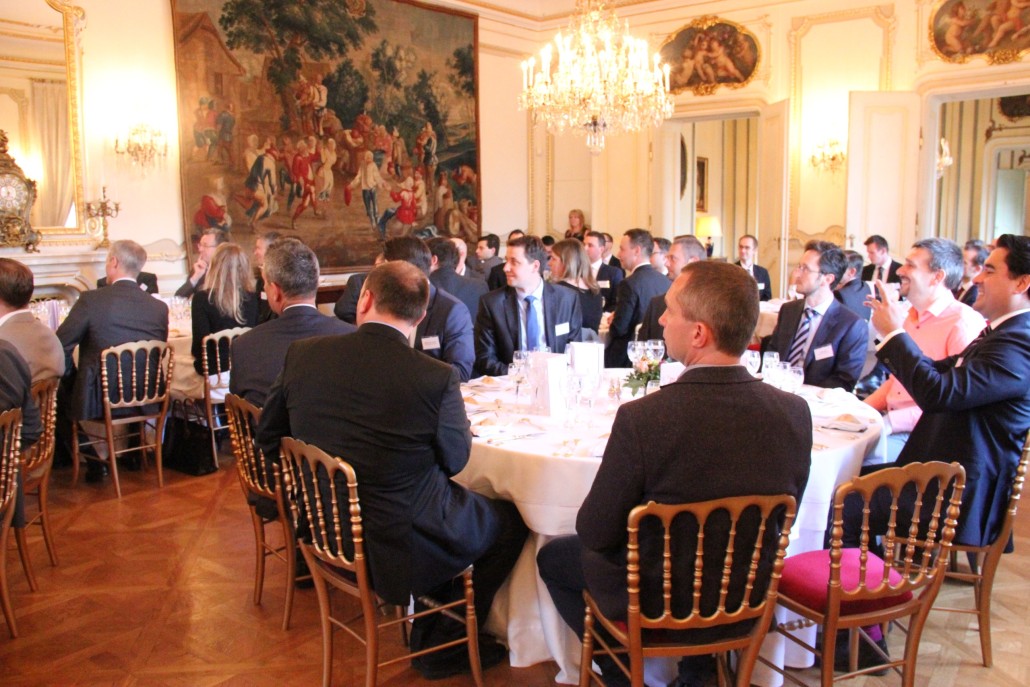
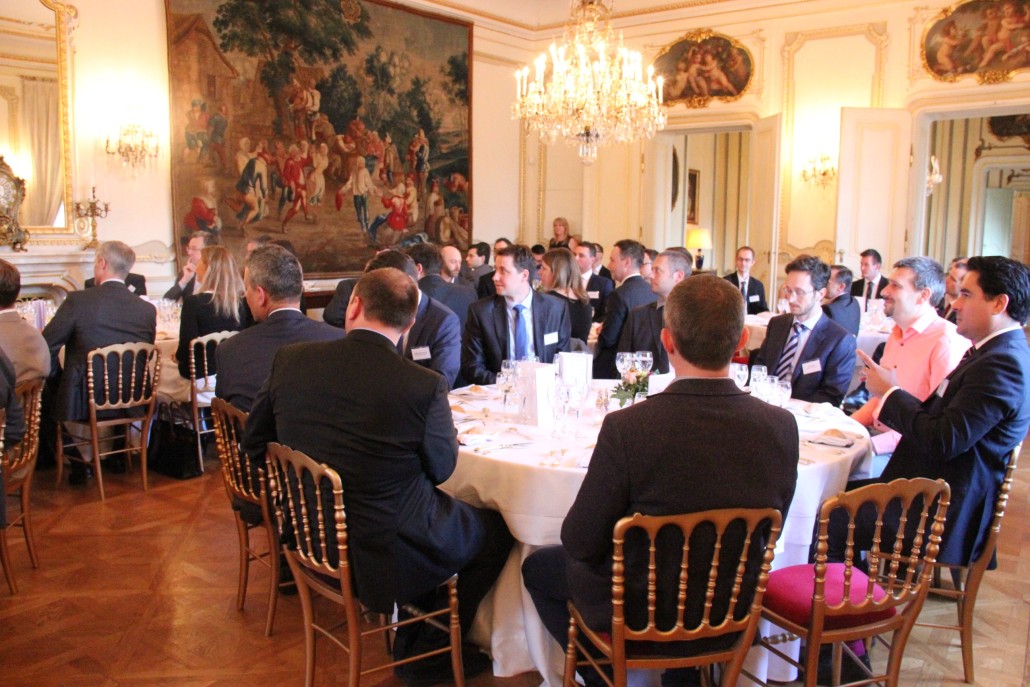
All photos are courtesy of the French Embassy, Prague.
A clear theme of the evening, given the speakers and venue, was furthering cooperation and knowledge transfer between France and the Czech Republic. StartupYard Managing Director Cedric Maloux, and Ambassador Asvazadourian spoke about the lessons that the Czech government and tech community could take from France’s experience, including greater tax advantages for technology startups, startup visas for entrepreneurs, more public funds for innovation, and greater corporate interest in funding new ideas.
Maloux also spoke about the need among corporations and governments, for touchpoints with the startup ecosystems in their respective countries, and abroad. He laid out his view of StartupYard, and other seed stage accelerators, as key points of interaction between older business and government institutions, and a new generation of entrepreneurs and technologists.
Philip Staehelin of Roland Berger spoke about his passion for bringing corporations and banks into closer cooperation with startups, and learning to adopt startup-inspired processes and entrepreneurial thinking within their own organizations.
Mr. Le Dirach, who has worked in banking for over 3 decades with Societe Generale, and now as the Chairman of KB, spoke about the need for smarter regulation of e-commerce, fintech, and information security. He also touched on KB’s efforts to open its doors to innovative startups, highlighting the need for corporate and banking executives to “get out of the office, and talk to real people outside our organizations.”
The Ambassador also highlighted the role of the French Embassy as an organization with multiple missions. On one level, it promotes French business interests abroad, and on another, it seeks to promote mutually beneficial exchange of ideas between the two countries.
Ambassador Asvazadourian also pointed out the contrast inherent in the venue- the 18th century Buquoy Palace, with the topic at hand. He spoke about the need for older institutions, including those present, as well as the governments of both countries, to adapt and learn from startups, and new conceptions of working, and living.
StartupYard last night introduced its 6th cohort of startups to the world. We are extremely proud, and judging from our community’s reaction, so were you. Thank you for supporting us and encouraging us to do what we do. Your value to our startups is truly immeasurable.
But which of the companies at DemoDay 2016 were your favorites, and why?
Click on the picture of your favorite startup founder below to tweet about them.
(Photos courtesy of Milos Potuzak. Check out his other work on his website, or on Facebook.)
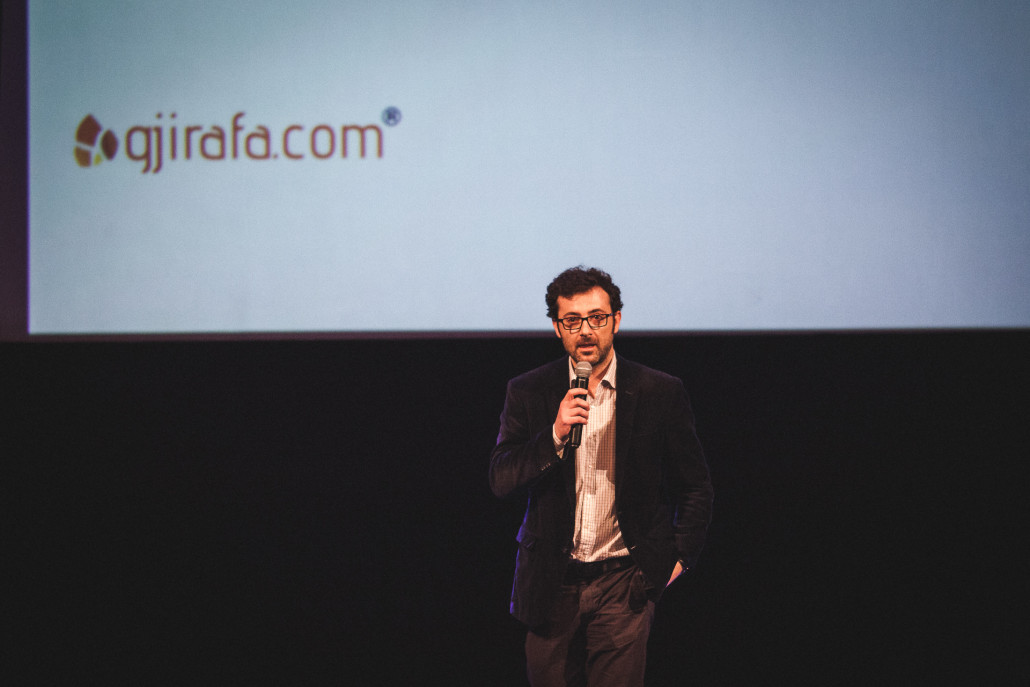
Gjirafa Founder and CEO Mergim Cahani talks about the ups and downs of founding a high growth startup. Click to Tweet!
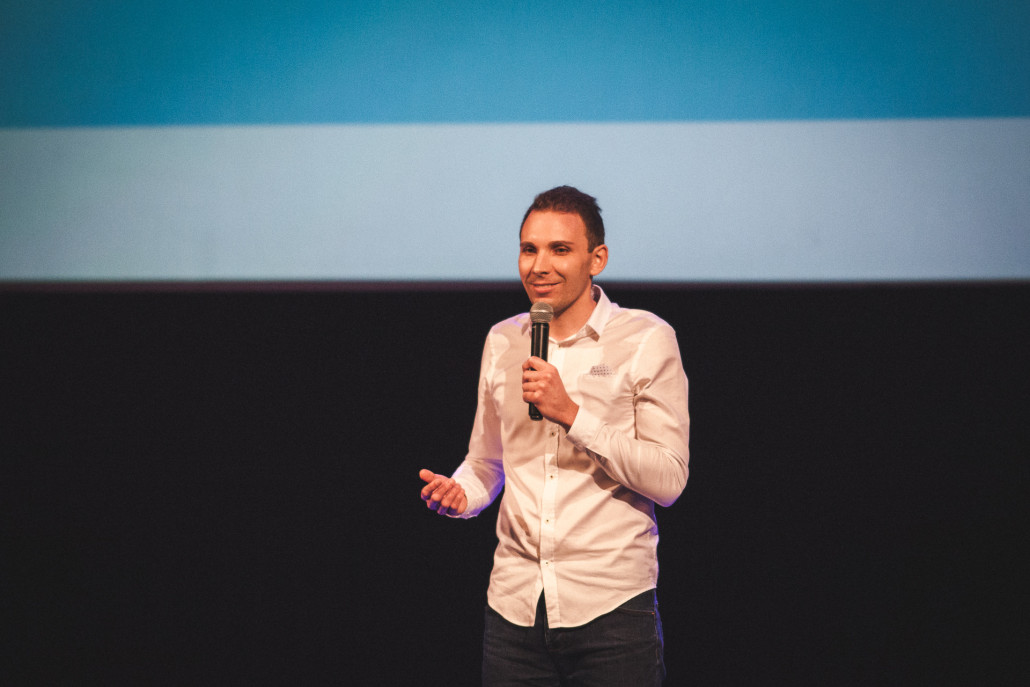
Jakub Ladra, of ClaimAir, talks flight compensation. Click to Tweet!
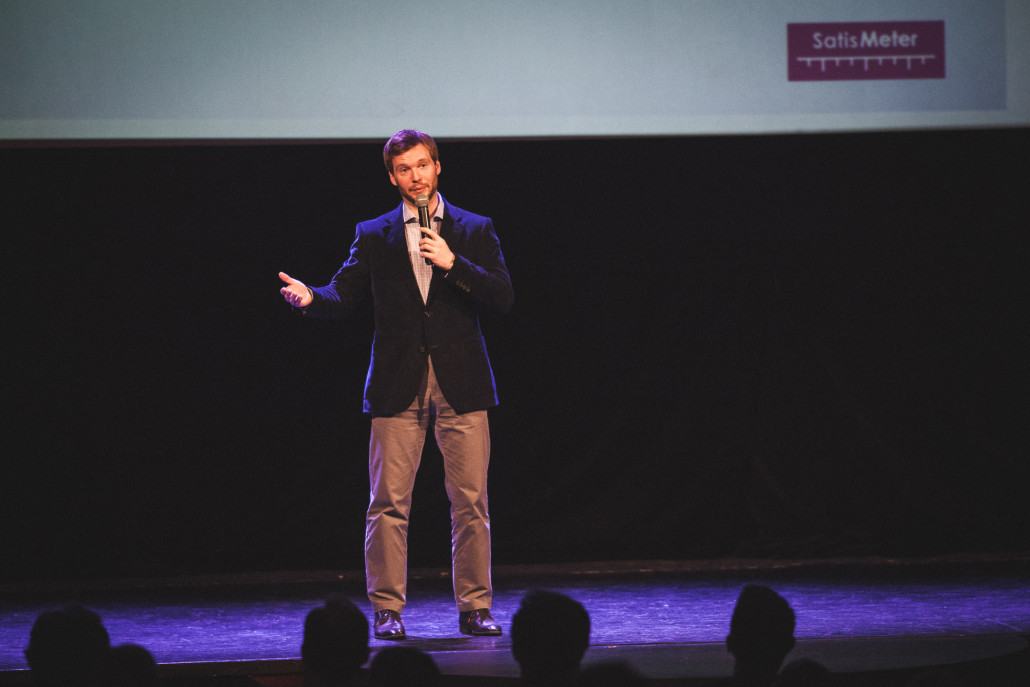
Ondrej Sedlacek of Satismeter talks Churn. Click to Tweet!
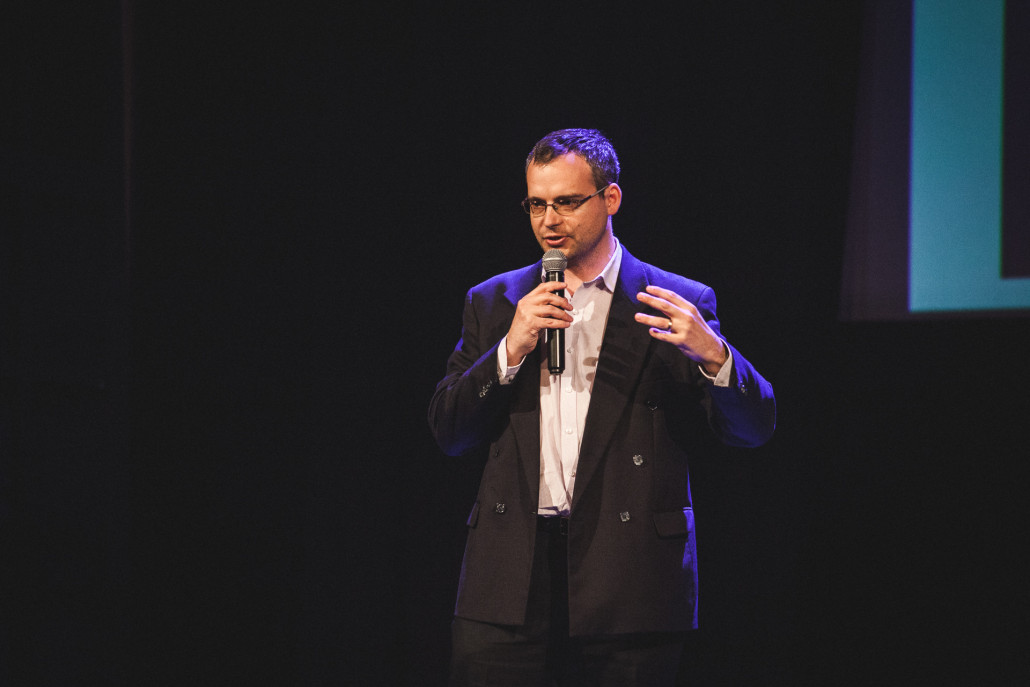
Pavel Konecny, of NeuronSoundware, talks about machine learning and sound. Click to Tweet!
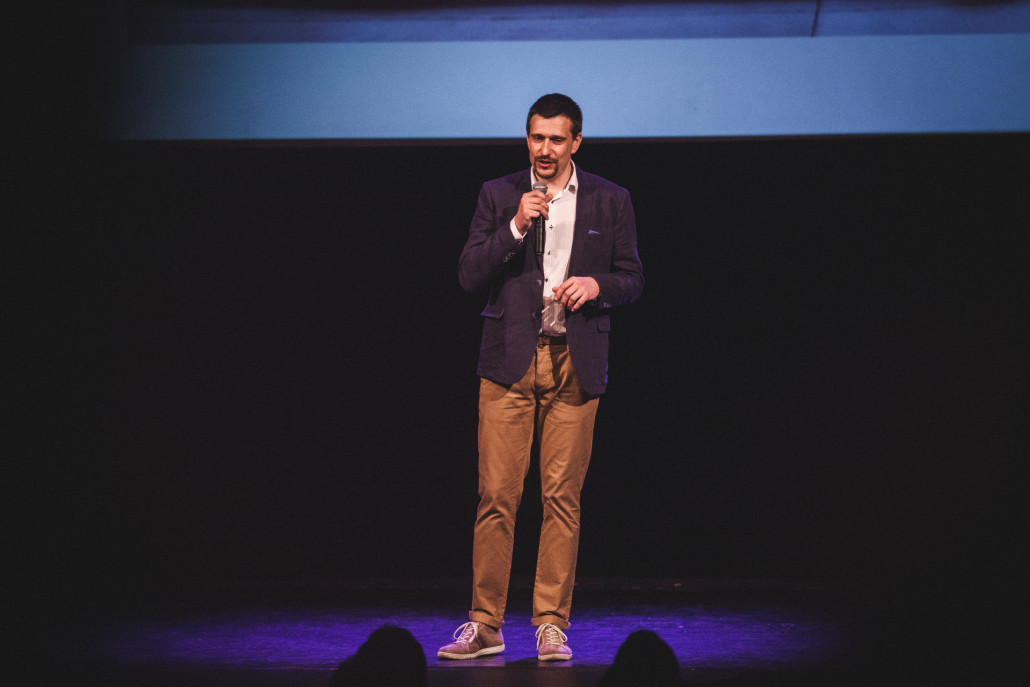
Alex Karadjian of Speedifly talks about social, spontaneous air travel. Click to Tweet!
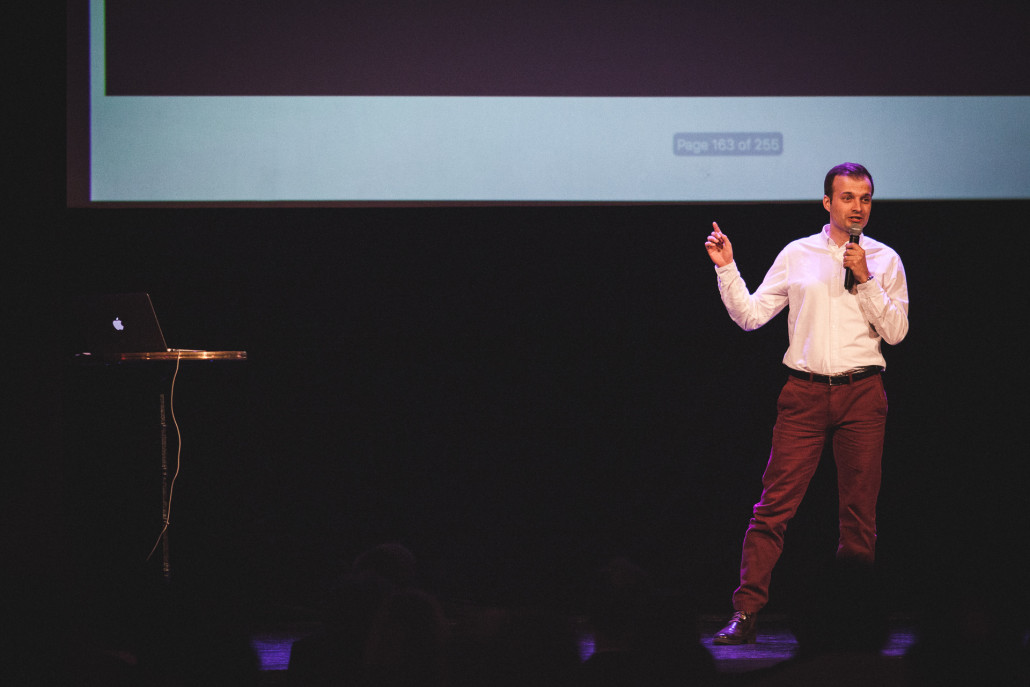
Marek Novy of Stream.Plus talks about the future of online video. Click to Tweet!
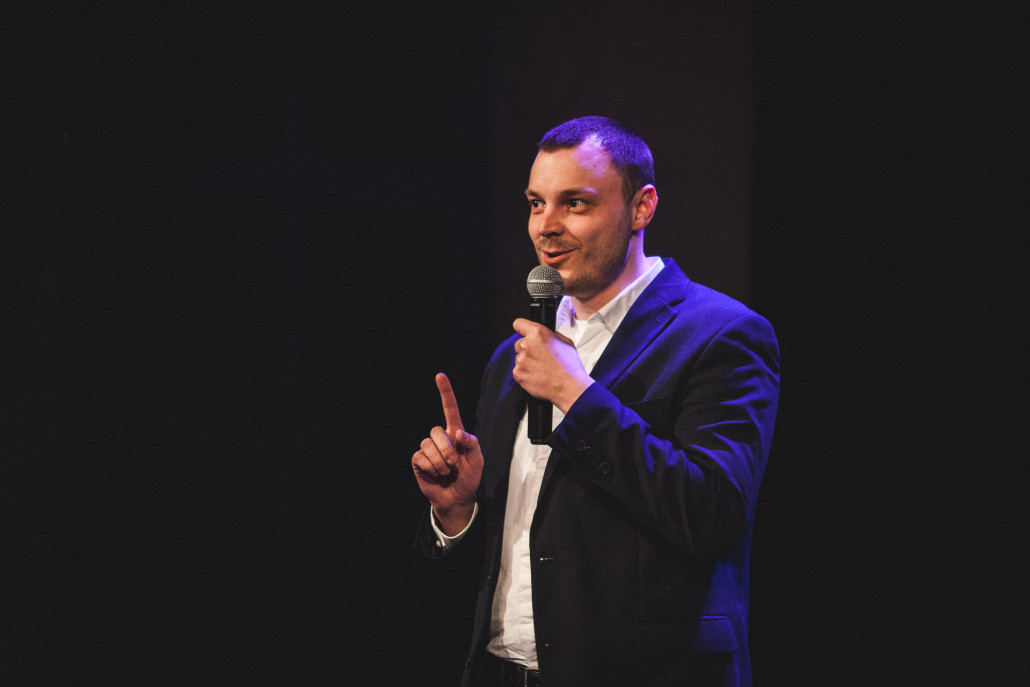
Piotr Piekos of TotemInteractive introduces the future of outdoor digital advertising. Click to Tweet!
Karel Javurek of NeuronAd discusses adblockers and online publishing. Click to Tweet!

Johanness Rohrenbach of Boatify talks about amazing boating experiences. Click to Tweet!
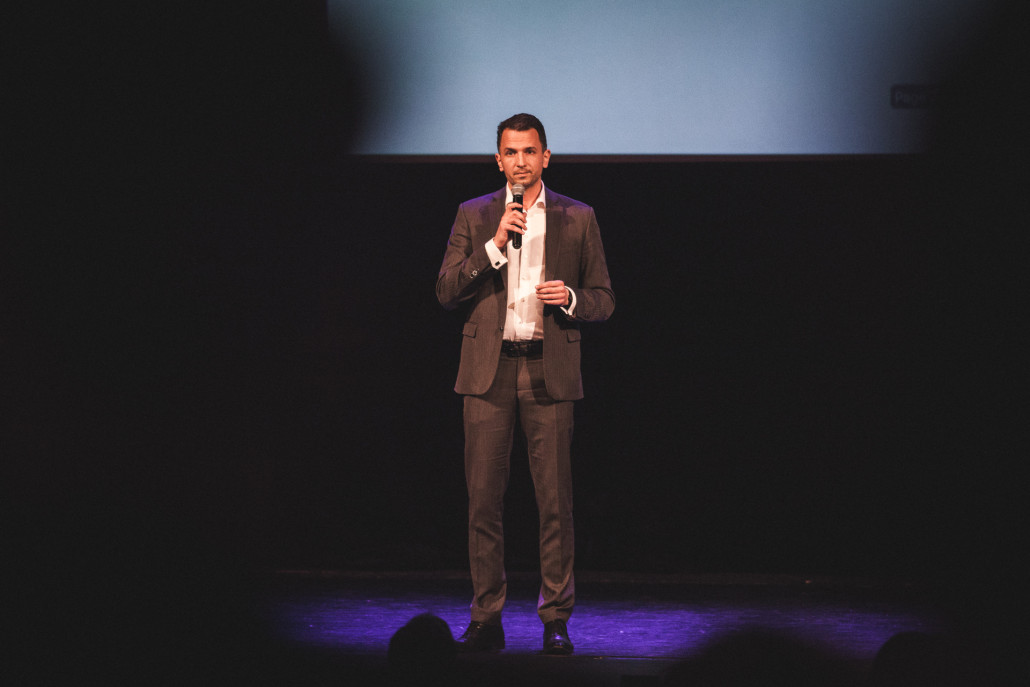
Martin Cvetler of Salutara introduces the future of medical travel. Click to Tweet!
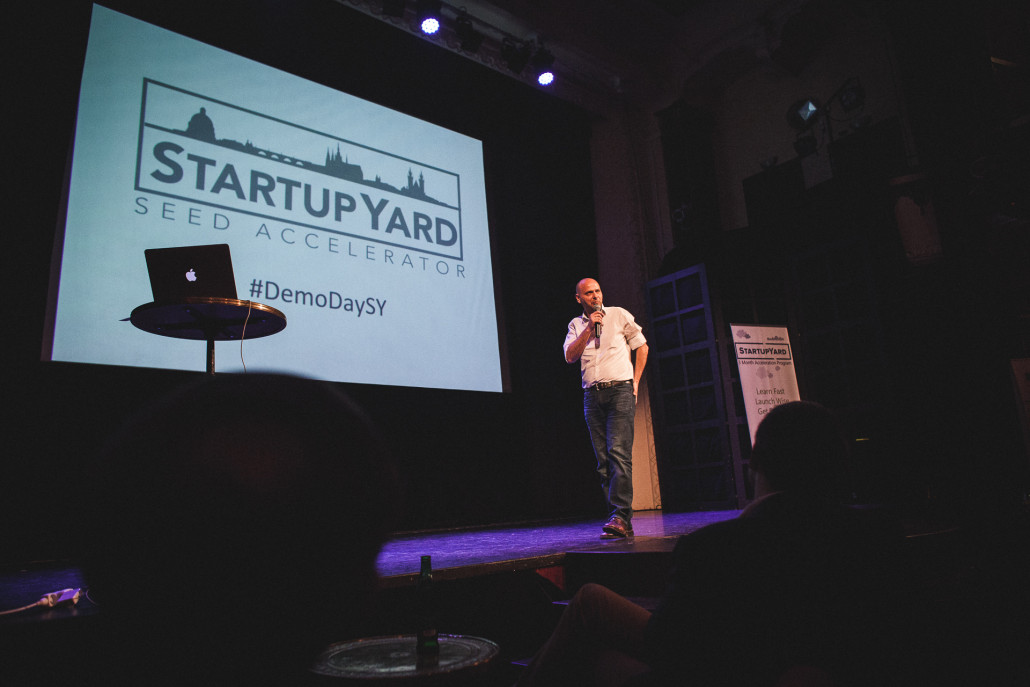
Cedric Maloux makes closing remarks.

The Royal, a classic venue, for a not-so-classic event.

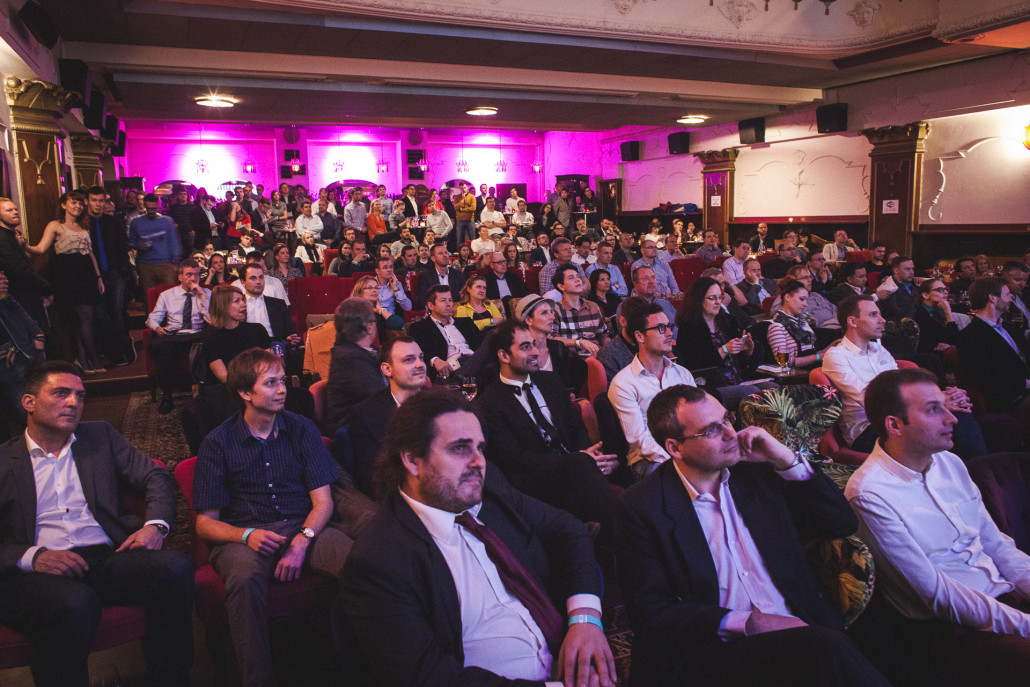
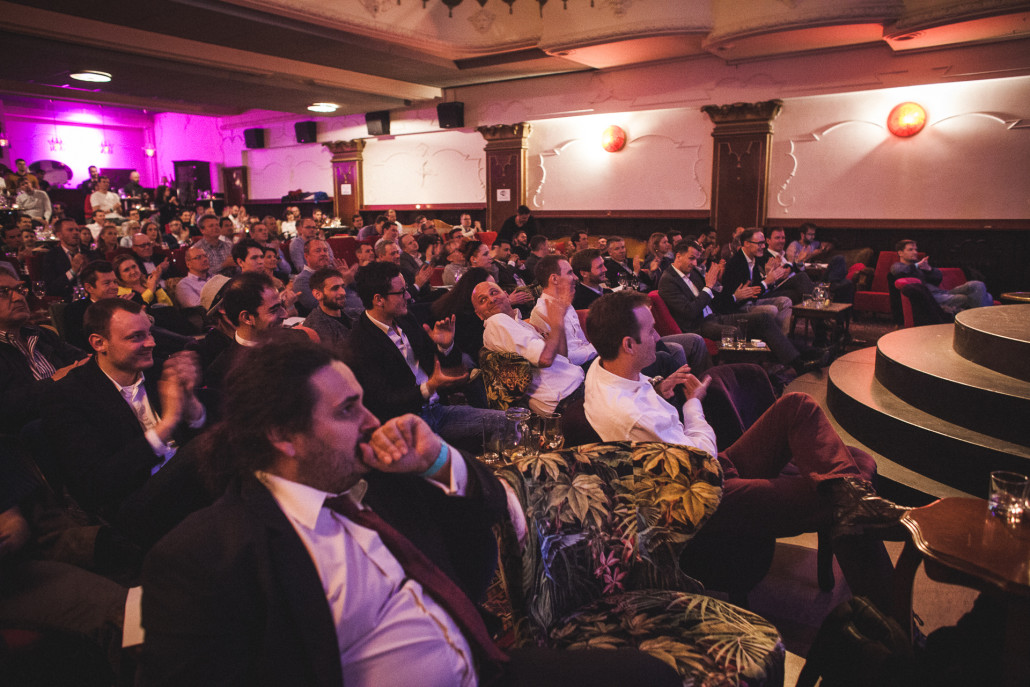
The crowd at The Royal was impressive.

Don’t forget to check out our exclusive interviews with each Startup from 2016:


TotemInteractive, StartupYard’s first Polish startup team, came to StartupYard with a novel concept, and has executed on a broad vision to change digital outdoor advertising in a major way. The team, experienced in digital media and cloud systems, is creating a platform into which marketers and advertisers can put their creative energy to generate meaningful, lovable, interactive display ads in place of boring, old fashioned posters and billboards.
I caught up with Piotr Piekos, CoFounder and CEO at TotemInteractive, to talk about the future of outdoor digital advertising, and cloud based marketing. Here’s what he had to say:
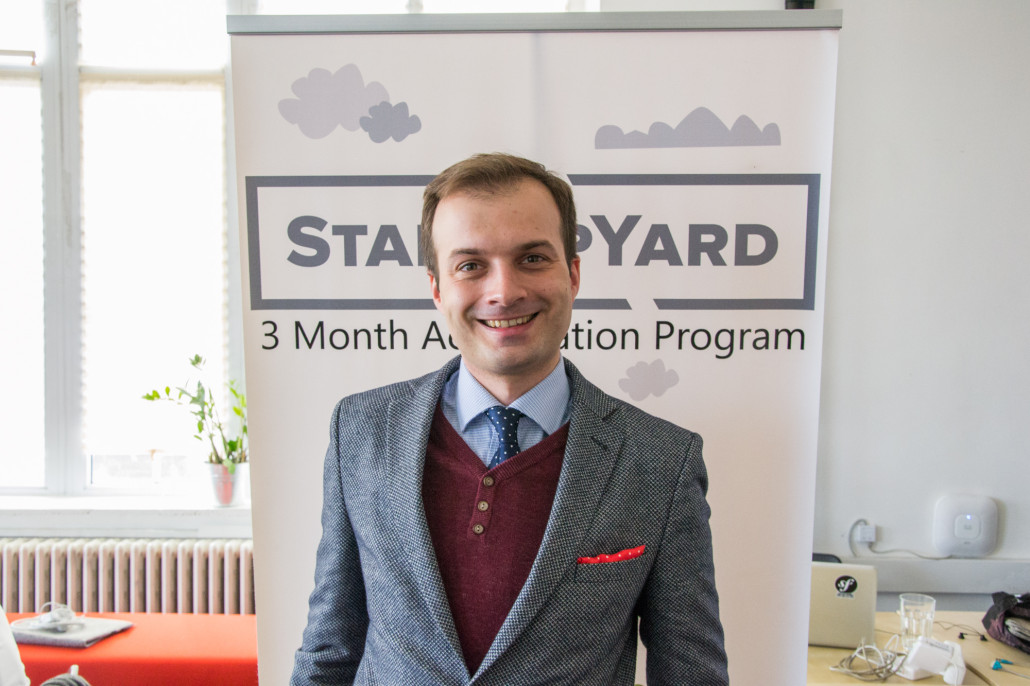
Pietor Piekos, CoFounder and CEO at TotemInteractive
TotemInteractive is a software platform that aims to help marketers with deployment and performance measurement of cross-platform, interactive marketing campaigns launched on electronic screens in public and in-store locations. Basically, interactive display advertising, instead of boring old posters.
The idea came from our observation of two trends: the propagation of digital screens in public spaces, and the fact that mobile devices have become an inseparable part of almost every activity that we do outdoors. TotemInteractive believes that digital advertising outdoors as often depicted in scfi movies in not just an imaginary future. We think that it is a natural consequence of the mobile and IoT revolution. TotemInteractive’s plaform aims to be among the first players on that market.
Throughout my professional career I had seen a number of solutions aiming to resolve the problem of unified and streamlined visual communication across different devices. Some of them already succeeded in industries like gas and oil (crisis centers) or places like decision-support systems for high-level corporate executives.
Budget constraints are less of a worry for these types of businesses, allowing the vendors to reach high complexity and sophistication with the systems they deploy. I have been involved with several dozen such products. Knowing exactly what our target market (advertisers) expects, we are able to provide a lean and user friendly answer to the market demand. In short: we want to move what is already possible with multi-million dollar equipment to the world of advertising, where price is always a consideration.
To answer this question, I will first need to explain a bit about the requirements for the platform. We had composed a team with very technical specific requirements in mind: such as quality of service (your ad has to be there at all times), and scale (platform needs to work on hundreds of screens simultaneously).
Our team consists of people who are experts in building complex, distributed systems. Michal is a system-engineer who is a specialist in cloud based deployments. Kamil and Piotr have been working on large scale deployments of tailored B2B systems for years.
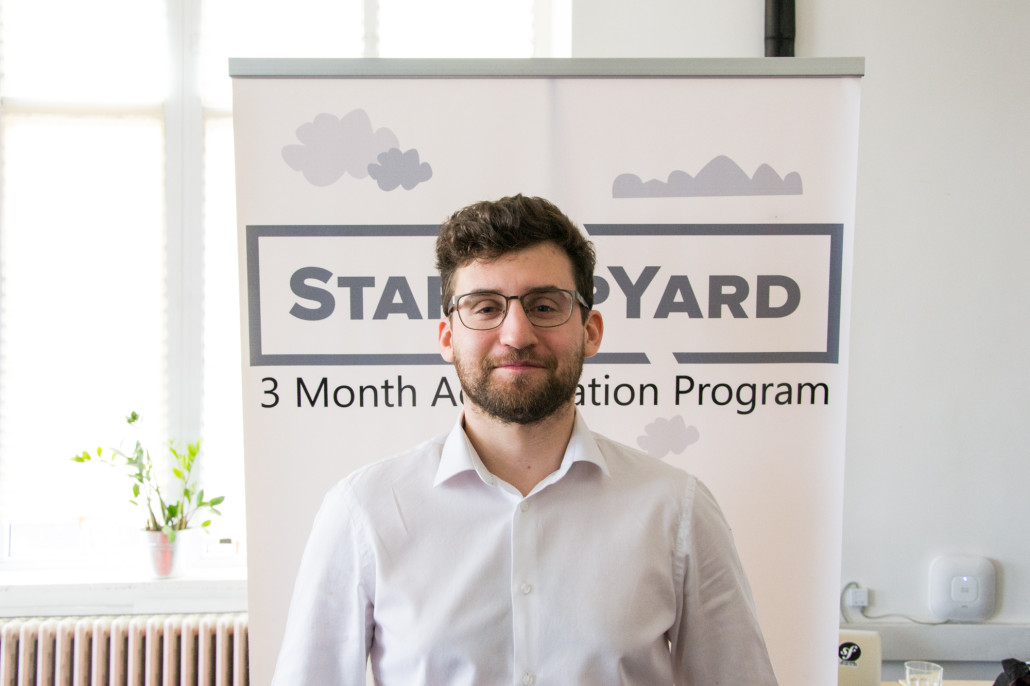
Leszek Knoll
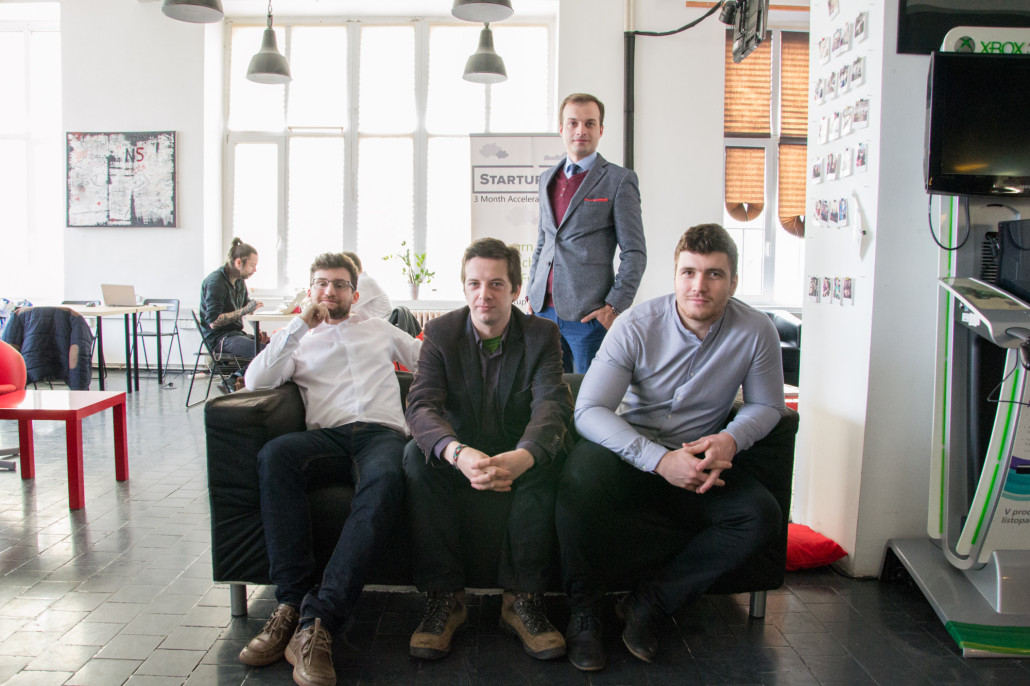
The TotemInteractive Team
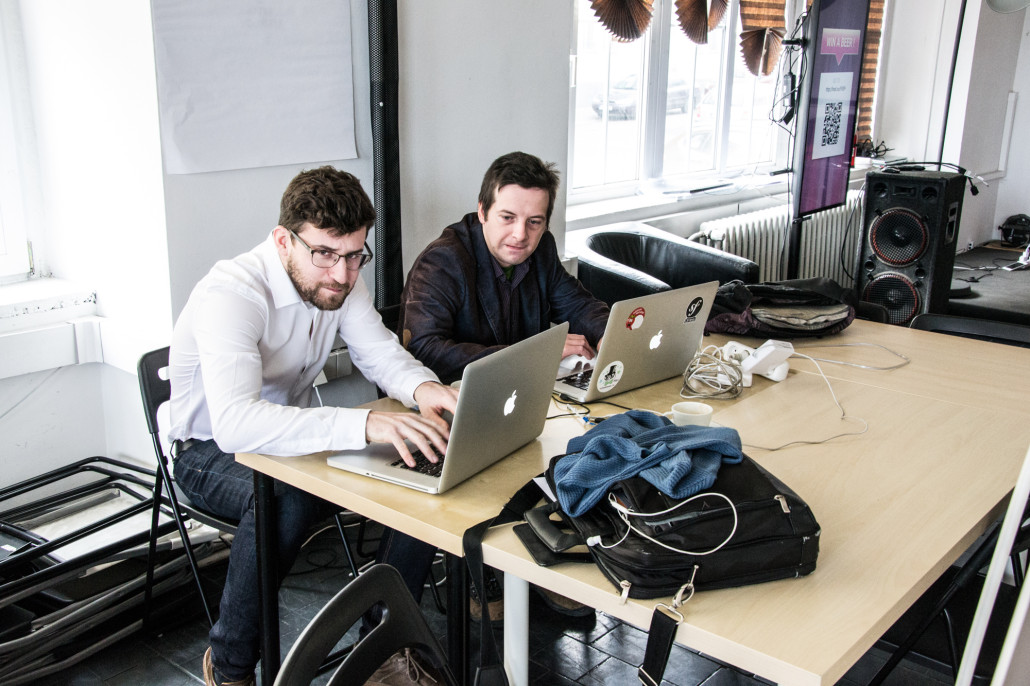
The Totem Interactive Team Hard at Work
On the business side: Leszek Knoll, my CoFounder and COO, brings startup entrepreneurial experience on board. He had built startups in the past and knows well the rules of the game.
I have been working in professional audio-visual industry for several years: my expertise is based on several dozen deployed, consulted and rescued projects related to large scale visualization systems. Lastly, we are backed by several mentors who hold strategic positions in advertising segments: in agencies, brands, and large media-house conglomerates.
TotemInteractive makes it possible to directly interact with a big digital screen in public spaces using your mobile phone. It can be a game, where you use your mobile as a controller, or a socially engaging voting system for your favourite band during the music festival. Whatever you can image.
Our platform stays hidden behind the scenes, a cloud based system that supports various applications for live screens. It’s a sophisticated enabler, allowing marketers to very easily create and deploy interactive campaigns, without a need to engage substantial resources to prepare, code, test and deploy their own cloud based or local solutions.
It is not boring! Our platform transforms traditional ads into something that delivers real value to the consumer. Suddenly, those displays become engaging, fun and an experience sharable with others.
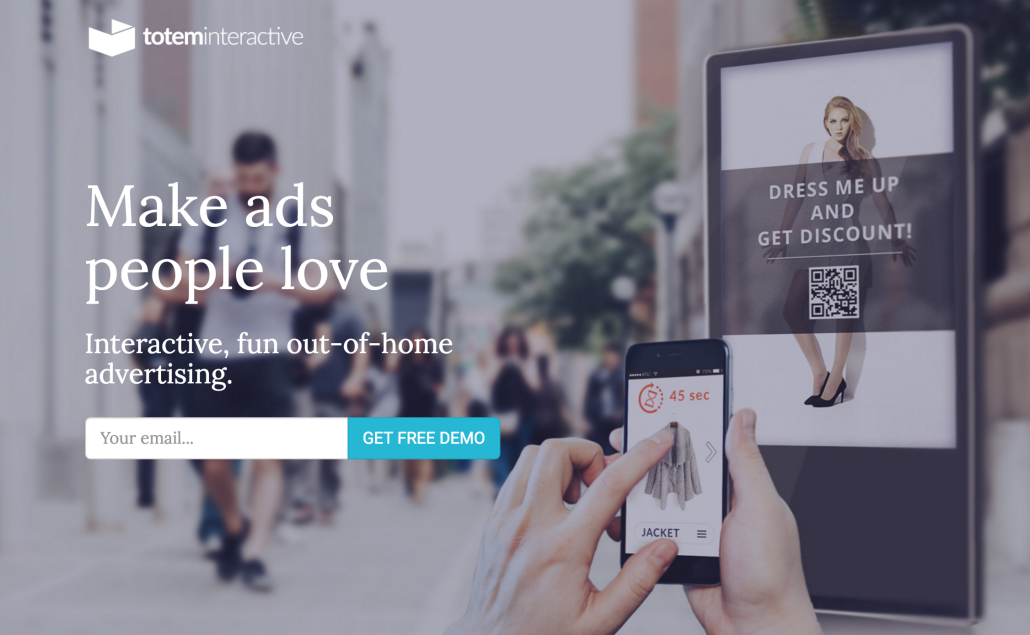
Even though our MVP is still in development phase, we had done a proof of concept campaign during a job fair, at Silesian University of Technology. Our results show that, first of all: people are really keen on interacting with this new type of medium, when the motivation for doing so is clear.
Registering more than 10 engagements per hour, per screen, gives us good reason to believe that such advertising can be much more effective than traditional display ads. Not to mention, that 42% of the people who played our game were willing to share their Facebook data with us through the platform. Try doing something like that with a poster.
You have spent quite a bit of time identifying market needs and exploring different approaches to the market. What has the exploration process revealed that you didn’t know a few months ago?
Major conclusion was that a seed-stage startup will have very hard times when it comes to deployment of a platform across multiple screen networks. We had found out that it is a very capital intense goal, that we simply cannot afford to chase at this moment.
We want to reach the retail market (in-store digital signage, banking, car dealerships). Gradually we also want to move to the events market. In the next year we want to be recognizable by marketers in CEE and western Europe as these guys that can put their creative, potentially viral, ideas into motion.
Market leader in interactive digital signage! We want to provide marketers not only with technology, but with unsurpassed reach (network aggregation), for their digital outdoor campaigns.
Well, StartupYard was immensely helpful in terms of momentum that our business reached during this time. Definitely, mentoring was a revealing and beneficial experience for us. It was about knowledge sharing, feedback (both positive and negative), but also some of the mentors allowed us to enter real sales opportunities that we are chasing at the moment. Without SY it would not be possible. But not only that: I believe that our business development potential is now multiplied by your expertise in marketing and the power of your network.